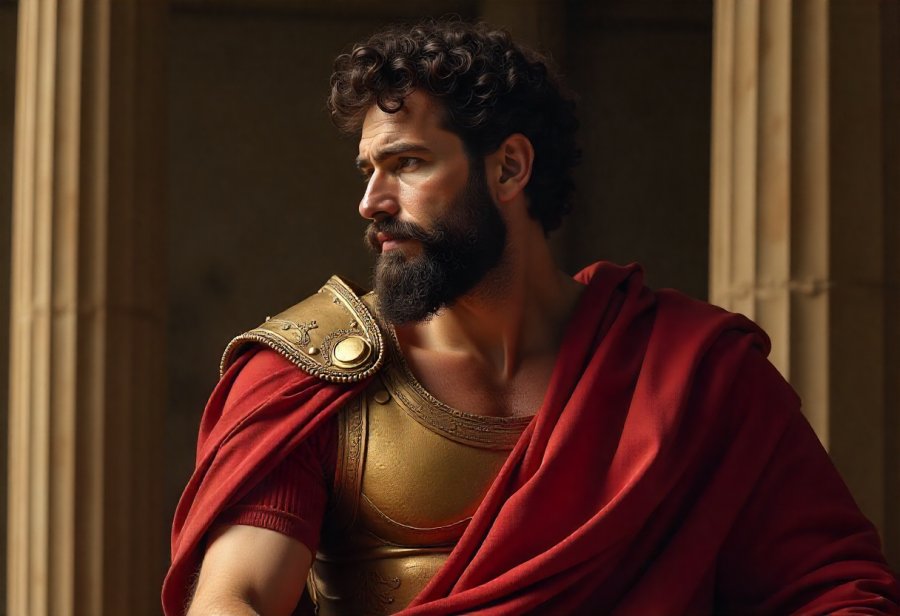
What if true strength lies not in external victories or power, but within the disciplined mind and resilient spirit of a leader? Marcus Aurelius exemplifies this paradox—governing an empire amid chaos while cultivating inner virtues rooted in Stoic philosophy. His life invites us to reconsider leadership as a journey of self-mastery, where patience, humility, and moral clarity forge an enduring influence far beyond fleeting conquests. This timeless lesson challenges modern thinkers: in an era of rapid change and unpredictability, can inner discipline become our greatest asset? From ancient Greece to contemporary leadership, the power of inner strength remains relevant, showing that lasting impact is built on the internal fortress of virtue. As we look to the future, cultivating inner resilience and moral clarity emerges as the key to effective, sustainable leadership—reminding us that the most profound influence begins within.
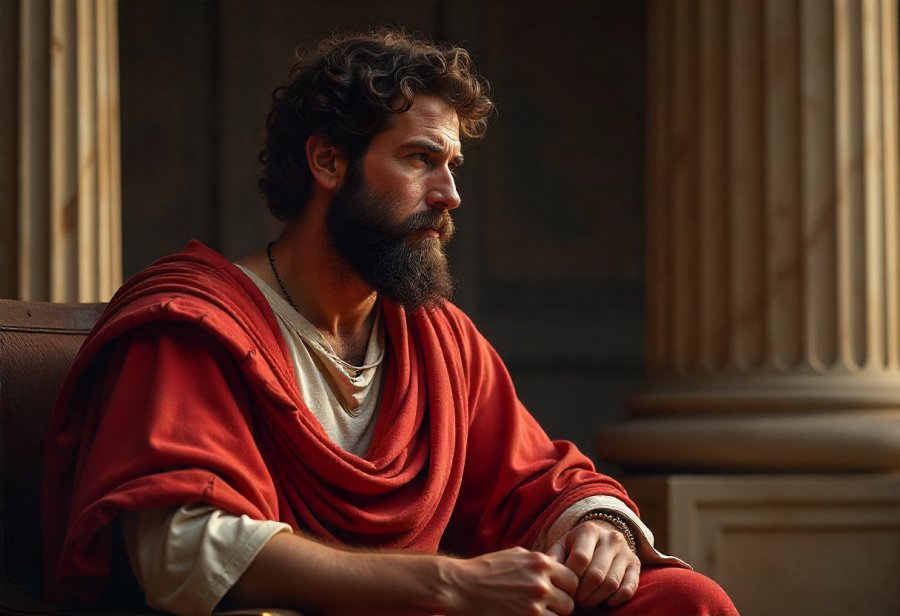
Inner Discipline: The True Power of Leadership
When we picture powerful leaders, our minds often drift to images of armies, grand victories, and vast territories. Their external achievements—conquests, displays of military might, and influence over others—seem to define true strength. Yet, what if the real power doesn’t lie in these outward signs? What if the deepest strength is rooted within, in qualities that remain steadfast regardless of external circumstances? This question challenges us to look beyond surface appearances and consider a different kind of leadership—one grounded in inner discipline.
Marcus Aurelius offers a compelling answer. As both Roman emperor and Stoic philosopher, his life exemplifies how self-control, wisdom, and resilience forge a form of strength that endures far longer than any empire. Throughout his reign, he faced relentless hardships—wars along the borders, plagues ravaging the population, and political crises threatening stability. Instead of reacting impulsively or relying solely on external power, he responded with calmness and moral clarity rooted in Stoic principles. His writings, especially in Meditations, reveal a leader who prioritized mastering himself before seeking to dominate others.
This focus on inner mastery doesn’t just serve philosophical ideals; it’s a practical approach to leadership. When a ruler cultivates virtues like patience, humility, and moral integrity, they develop resilience that external turmoil cannot easily shake. External power can be lost in moments of chaos or uncertainty, but inner strength provides a steady foundation that survives any storm. Marcus’s ability to govern with dignity amid adversity proves that the most enduring empire a leader can build is the one within their own mind—an internal fortress of virtue.
Reframing leadership in this way shifts our perspective. Instead of chasing fleeting fame, wealth, or territorial gains, we’re encouraged to develop qualities like calmness, patience, and integrity. These virtues foster trust and inspire loyalty, creating a legacy that outlasts external achievements. Marcus Aurelius’s life reminds us that the greatest influence comes from within—an inner discipline that sustains us through chaos and time, long after banners have fallen or borders have shifted.
This idea challenges us to reconsider what true strength means. External accomplishments may impress, but they’re temporary. Inner discipline, on the other hand, offers a quiet, persistent power—one that endures through chaos and change. Marcus’s example shows that the most powerful empire we can govern is the one inside our own minds, where wisdom and resilience reign. Cultivating this inner strength isn’t a one-time effort but a continuous journey that shapes us into truly impactful individuals.
Stoic Foundations: The Origins of Inner Strength
Stoic philosophy finds its roots in ancient Greece, emerging in the early 3rd century BCE as a response to life’s unpredictability. Zeno of Citium, a merchant turned philosopher, founded Stoicism after surviving a shipwreck that tested his resilience and sense of purpose. He taught that living in harmony with reason and virtue was the key to a good life, emphasizing that external events are less significant than how we choose to respond to them. This focus on internal control laid the groundwork for a philosophy built around self-mastery and moral clarity.
As Stoicism spread through Greece, it gained influential advocates like Seneca, Epictetus, and later Marcus Aurelius. Each adapted its principles to their unique contexts, highlighting the importance of wisdom, discipline, and mental fortitude. They believed that by cultivating inner virtues, individuals could maintain tranquility amid chaos, a message that resonated deeply with leaders facing turbulent times. Their writings show a common thread: internal mastery is essential for external stability and effective leadership.
Marcus Aurelius’s education was deeply rooted in Stoic ideals. Influenced by teachers like Epictetus and Seneca, he internalized the importance of virtue and constant self-reflection. His personal journal, Meditations, reveals a leader committed to aligning his actions with moral principles. Facing wars, plagues, and political intrigue, Marcus’s ability to remain calm and focused stemmed from practicing these Stoic virtues daily. His internal discipline became a source of strength that sustained him through relentless external challenges.
Throughout his reign, Marcus demonstrated how internal virtues could transform chaos into stability. His unwavering focus on self-control and moral integrity allowed him to govern wisely, even amid adversity. This legacy of Stoic resilience underscores that true strength resides not in external power but within—an inner fortress built on wisdom, patience, and resilience. Marcus Aurelius exemplifies how internal discipline can serve as a foundation for lasting leadership.
Today, the influence of Stoic virtues extends far beyond ancient Rome. Modern leadership and personal development draw heavily from these teachings, emphasizing mindfulness, reflection, and ethical decision-making. Many organizations now incorporate practices like journaling, meditation, and values-based strategies—tools rooted in Stoic principles—that help individuals build mental resilience. In an increasingly complex world, cultivating inner strength remains a timeless, practical path to navigating uncertainty with calm and clarity.
Ultimately, Stoicism offers a timeless blueprint for inner strength. Its emphasis on virtue, rationality, and self-control guides us toward resilience and moral clarity. Marcus Aurelius’s life stands as a testament to the power of internal mastery, reminding us that the greatest influence begins within. By embracing these principles, we can forge a resilient mind capable of leading ourselves—and others—through life’s inevitable storms.
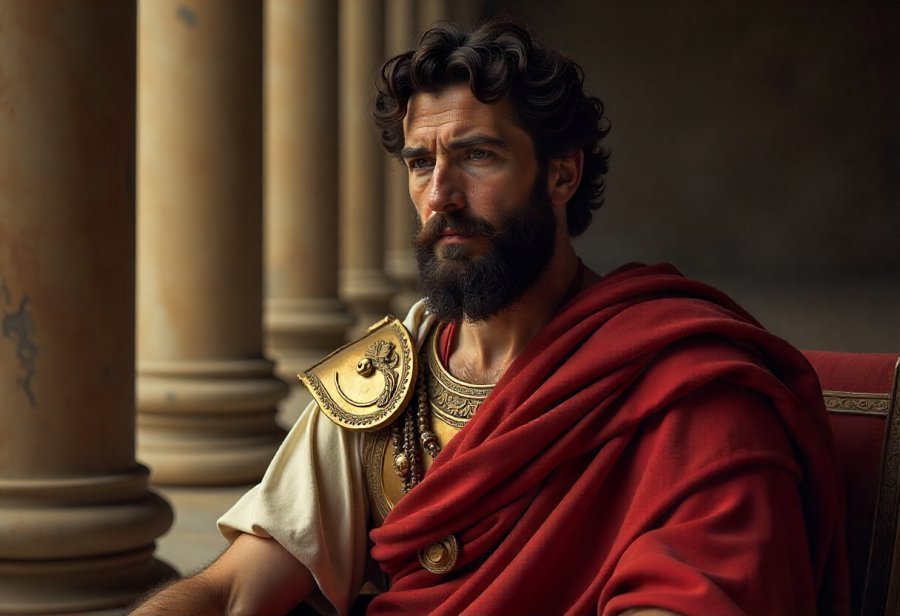
Modern Echoes: How Marcus Aurelius Inspires Today’s Leaders
Marcus Aurelius’s example continues to resonate today, especially in leadership and personal growth. His emphasis on inner discipline—self-awareness, resilience, and moral integrity—aligns closely with modern ideas like emotional intelligence and authentic leadership. Today’s leaders increasingly value qualities such as calmness under pressure, ethical decision-making, and the ability to inspire trust—traits deeply rooted in the Stoic virtues Marcus championed. These qualities are now seen as essential for navigating complex, unpredictable environments, whether in business, politics, or community work.
In personal development, Marcus’s teachings about self-mastery offer a practical blueprint. Many individuals facing stress, setbacks, or ethical dilemmas turn to his writings for guidance. His focus on controlling reactions and maintaining perspective during difficult times is now incorporated into stress management, mindfulness practices, and resilience training. Developing inner strength isn’t just philosophical; it’s a tangible skill that helps people handle everyday challenges with greater calm and clarity.
The shift from external displays of power to internal virtues is evident in leadership models like transformational and servant leadership. These approaches emphasize humility, patience, and authenticity—traits that echo Marcus’s Stoic ideals. Organizations recognize that sustainable influence depends less on authority and more on trust, which is built through consistency, moral integrity, and emotional stability. Leaders who cultivate inner discipline foster stronger teams and foster cultures rooted in trust and resilience.
Stories of figures like Gandhi and Nelson Mandela illustrate how unwavering moral resolve and resilience can inspire profound social change. Their ability to stay true to their principles amid adversity demonstrates that genuine influence comes from within. These leaders show that lasting impact isn’t about external dominance but about inner strength and moral clarity—principles Marcus Aurelius embodied. Their lives continue to serve as blueprints for a new generation of leaders prioritizing inner virtues over external power.
Looking ahead, the trend toward valuing inner discipline is only gaining momentum. As global challenges grow in complexity and workplaces become more dynamic, traits like emotional resilience and moral clarity will be crucial. Leadership programs increasingly incorporate mindfulness, reflection, and ethics training—practices rooted in Stoic philosophy. The leaders of tomorrow will be those who master themselves first, guiding with wisdom, humility, and resilience.
This focus on inner strength extends beyond individual leadership to societal influence. Movements driven by moral conviction and resilience showcase how internal virtues can spark collective change. As the world faces rapid change and uncertainty, cultivating inner discipline offers a steady foundation. Leaders who embody patience and moral clarity will be better equipped to inspire trust and foster stability amid chaos.
Marcus Aurelius’s life remains a guiding example. His mastery over himself shows that true leadership begins within, with the cultivation of patience, humility, and resilience. Embracing these qualities paves the way for a more stable, morally grounded future. The leaders of tomorrow will be those who recognize that lasting influence flows from the inner fortress of virtue they continually nurture, proving that internal discipline is the most powerful form of leadership there is.
From Theory to Action: Practicing Inner Discipline Daily
Applying inner discipline in daily life and leadership moves beyond understanding the concepts; it’s about weaving them into our habits and routines. Start with mindful reflection—taking a moment each day to review how you responded to challenges, what triggered emotional reactions, and where you can improve. This habit sharpens self-awareness, making it easier to pause before reacting impulsively, especially in high-pressure situations. Leaders who model this restraint—listening patiently, staying calm, and choosing reason—set a powerful example that encourages others to follow suit.
Practicing patience is a cornerstone of inner discipline. When faced with tense conversations or looming deadlines, a simple deep breath can create space for clarity. This small act prevents conflicts from escalating and fosters an environment of trust and respect. Over time, consistently applying this approach transforms patience from an effort into a natural response, allowing us to act with purpose rather than impulse. It’s through these deliberate choices that inner resilience grows stronger, making calmness and clarity second nature.
Building self-control also involves aligning decisions with your core values. This means resisting short-term temptations like cutting corners or avoiding difficult conversations—even when it’s uncomfortable. Leaders who stick to their principles demonstrate integrity, earning respect and trust from others. Inner discipline isn’t about perfection but about persistent effort—showing up honestly and making choices rooted in moral clarity. Each small act of integrity reinforces your inner strength and deepens your capacity to lead with authenticity.
Every setback presents an opportunity to practice resilience. Instead of reacting with frustration or blame, a disciplined mind reflects on what went wrong and identifies lessons for the future. This mindset shifts failures from sources of shame into valuable growth moments, reducing fear of adversity and boosting confidence. By approaching challenges with curiosity and a growth mindset, you reinforce your inner strength, making setbacks less intimidating and more instructive.
Developing genuine resilience requires deliberate strategies like mindfulness, journaling, or limiting distractions. These practices heighten self-awareness and help identify recurring reactions that may undermine your progress. Approaching setbacks with patience and self-compassion allows you to acknowledge slips without judgment, gently redirecting your focus back to your principles. Over time, this consistent effort turns inner discipline into a natural part of who you are, empowering you to lead with calm, strength, and clarity in every situation.
Future Leadership: Embracing Inner Strength for a Changing World
Looking ahead, the landscape of leadership is shifting toward qualities that prioritize inner strength and moral clarity over traditional displays of power. In a world that’s growing more interconnected and unpredictable, external authority alone no longer guarantees influence or stability. Instead, organizations and communities are increasingly valuing resilience, self-awareness, and ethical decision-making—traits deeply rooted in the virtues Marcus Aurelius exemplified. This shift reflects a deeper understanding that sustainable leadership begins with mastering oneself, especially amid chaos and rapid change.
Emerging leadership models like authentic and transformational leadership emphasize humility, empathy, and moral integrity. These approaches foster trust and inspire genuine commitment because they are built on inner virtues rather than superficial displays of control. Leaders who develop inner discipline can motivate through example—remaining calm, clear, and principled—rather than relying on dominance. As organizations recognize the importance of trust and emotional stability, inner strength becomes a strategic asset, enabling leaders to navigate complexities with steadiness and purpose.
Modern training programs mirror this trend by incorporating mindfulness, reflection, and ethics into professional development. These tools help cultivate mental resilience, emotional regulation, and moral clarity—practices that echo Stoic principles Marcus championed. As these habits become more widespread, future leaders will increasingly be those who can govern themselves first, using inner discipline as the foundation for external influence. In a world full of uncertainties, this internal mastery offers a reliable compass for decision-making and relationship-building.
The legacy of inner discipline extends beyond individual leadership to societal transformation. Figures like Gandhi and Nelson Mandela demonstrate how unwavering moral resolve and resilience can ignite profound change. Their ability to stay true to their principles amid adversity shows that lasting influence flows from within. These leaders serve as blueprints for a new generation that values internal virtues over external dominance, shaping a more compassionate and resilient future.
Looking further ahead, cultivating inner strength will become even more essential. As global challenges grow in complexity and workplaces demand greater adaptability, traits like emotional resilience, moral clarity, and patience will be vital. Leaders who understand that their greatest asset is their own discipline and wisdom will be better equipped to inspire trust and foster stability. Organizations that embed these virtues into their culture will be more resilient, capable of weathering crises without sacrificing moral integrity.
Marcus Aurelius’s life remains a guiding example, reminding us that true leadership begins within. By nurturing patience, humility, and resilience, we lay the groundwork for a more stable, morally grounded future. Those who prioritize inner mastery will shape the most impactful, enduring legacies—proving that the greatest influence comes not from external conquest, but from the quiet power of inner discipline.
About the Author