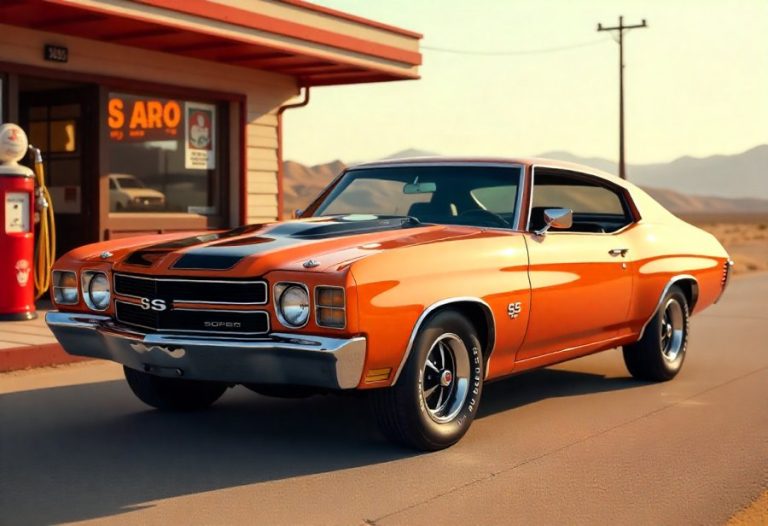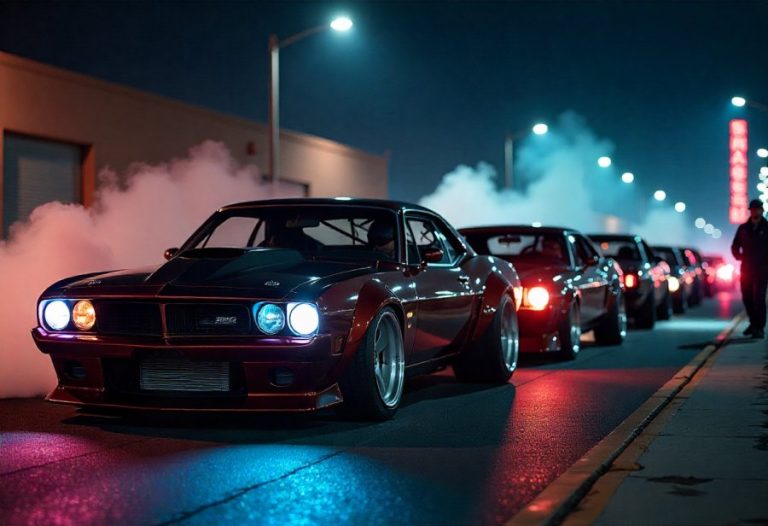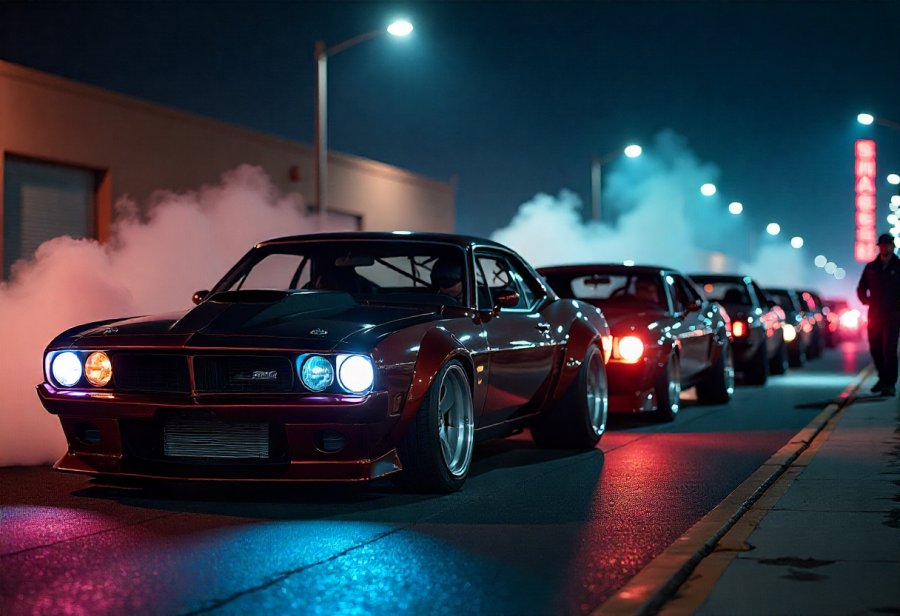
Underground street racing is a pulsating world where rebellion, skill, and loyalty collide in the shadows of urban landscapes. Beyond the roar of modified engines and neon-lit streets, it forges bonds more profound than mere speed—creating a brotherhood rooted in shared risks, craftsmanship, and identity. As technology evolves, from electric vehicles to encrypted communication, this clandestine culture adapts while fiercely guarding its traditions. Can innovation sustain the fierce camaraderie that defines it? Despite rising law enforcement crackdowns and safety concerns, the spirit of resilience persists, fueling the scene’s ongoing evolution. This culture not only shapes automotive trends but also instills life skills like discipline, loyalty, and ingenuity. Looking ahead, the tension between tradition and modernity, secrecy and openness, promises a future where underground racing continues to embody defiance, connection, and adrenaline—an unbreakable testament to the human drive for speed and brotherhood in the shadows.
Enter the Shadows of Underground Street Racing Brotherhood
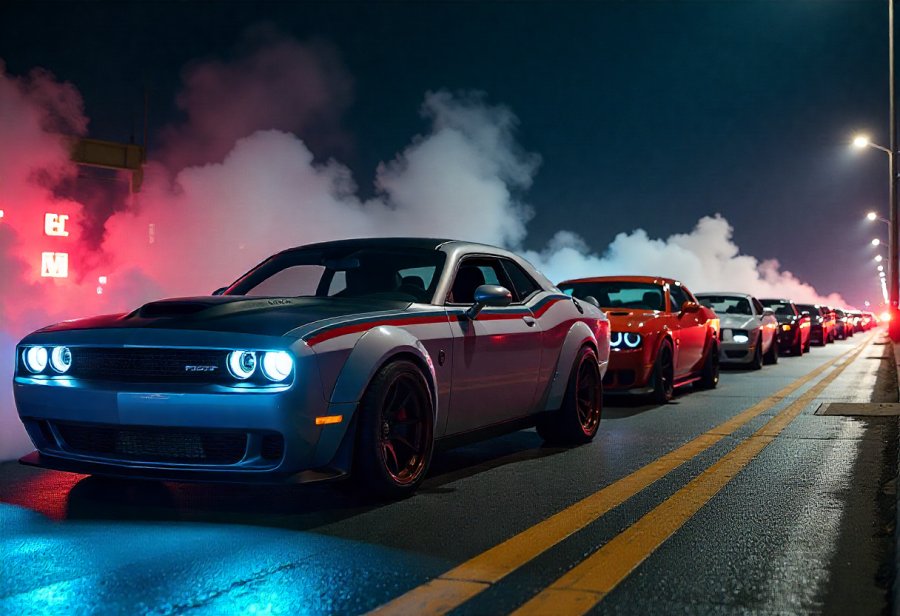
Underground street racing is a world that exists just beyond the reach of official motorsport, driven by adrenaline, rebellion, and a tight-knit sense of community. It’s a scene that comes alive in the shadows—late at night, in deserted streets or forgotten industrial zones—where racers push their cars to the limit without the constraints of rules or law enforcement. These races are more than just about speed; they’re about feeling truly alive, living on the edge, and testing oneself against the unknown.
What makes underground racing so compelling isn’t only the rush of the race itself but the bonds that form among those involved. Racers become part of a family, built on shared risks, long nights of tuning cars, and unwavering loyalty. Cars are more than machines—they’re symbols of identity and pride. Every modification, decal, and custom paint job tells a story of allegiance and personal expression, reinforcing the deep connection within the community.
This culture has roots that stretch back decades, born from urban youth seeking a space to challenge limits away from legal oversight. It started with informal gatherings in parking lots and quiet streets, evolving into a complex subculture with its own rituals, codes, and traditions. As technology advanced, so did the sophistication of these races—more powerful cars, innovative modifications, and a focus on craftsmanship—further deepening the sense of identity and belonging among participants.
Night races serve as ritual gatherings, where darkness provides cover and an air of exclusivity. These events foster a shared experience—exchanging tips, celebrating victories, and supporting each other through setbacks—cementing a feeling of unity that extends beyond the races. For many, the cars and the act of racing are expressions of loyalty; customizing a vehicle becomes a way to showcase crew pride and personal style, turning each car into a badge of honor that embodies their values.
Despite the risks and the secrecy, underground street racing continues to thrive because it offers more than just speed—it provides a space for kinship, rebellion, and self-expression. It’s a culture rooted in trust and resilience, constantly evolving while holding onto traditions that bond its members together. As long as streets remain to race on and hearts remain eager for the thrill, this underground world will keep racing forward, driven by unbreakable brotherhood.
Tracing the Roots and Evolution of a Rebel Culture
Underground street racing has roots that run deep in urban landscapes, emerging from a desire for adrenaline and rebellion. It began as informal gatherings—young enthusiasts seeking a space to test their cars beyond the limits of legal racing, often in parking lots, industrial zones, or quiet city streets late at night. These clandestine meetups allowed drivers to push their machines to the edge, away from law enforcement and societal constraints, making speed and skill the only measures of success.
Over time, this spontaneous activity evolved into a distinct subculture with its own customs, rituals, and codes. Drivers and crews formed tight-knit groups based on trust and shared passion, turning the act of racing into a social bond. As cars grew more sophisticated, so did the scene. Enthusiasts invested in custom modifications—turbo upgrades, paint jobs, and performance parts—that not only enhanced speed but also became symbols of loyalty and identity. Cars transformed into moving declarations of personal style and crew pride.
The sense of brotherhood in underground racing isn’t just about the cars; it’s rooted in shared risks and long nights spent tuning and repairing vehicles together. Many crews originate from neighborhoods where mutual support and loyalty are vital, creating bonds that extend beyond the streets. These groups foster a sense of belonging, celebrating victories, supporting each other through setbacks, and defending their reputation against outsiders, making the culture as much about community as competition.
Night races serve as sacred gatherings, with darkness providing cover and an element of exclusivity. These events reinforce the bonds forged through shared effort and secrecy. Racers exchange tips, celebrate wins, and support each other’s setbacks, turning individual efforts into collective rituals. This tradition of loyalty and resilience keeps the spirit of underground racing alive, despite external pressures and risks.
Throughout its evolution, the scene has maintained a delicate balance between innovation and tradition. Knowledge and customs are passed down through generations, reinforcing a culture rooted in secrecy, craftsmanship, and rebellion. As technology advances—more powerful cars, safer modifications—the core values of brotherhood and resilience endure, adapting to new challenges while staying true to their origins.
Even as authorities crack down and new risks emerge, underground street racing persists as a powerful expression of identity and community. It continues to be a space where loyalty, innovation, and resilience thrive beneath the surface, forging bonds that run far deeper than the thrill of speed. This culture’s history is one of defiance, craftsmanship, and unbreakable kinship—an enduring testament to the human drive for connection and adrenaline in the shadows.
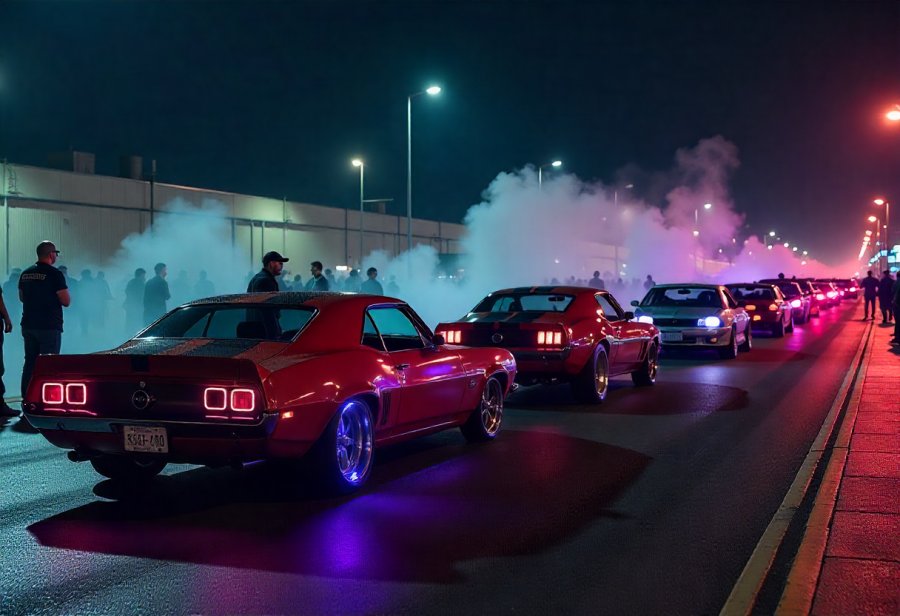
The Modern Pulse of Underground Racing: Innovation and Loyalty
Today, underground street racing remains a dynamic and resilient scene, blending time-honored traditions with modern innovations. While the core elements—modified cars, late-night races, and a close-knit brotherhood—persist, technology has transformed how enthusiasts connect and compete. Social media platforms, encrypted messaging apps, and online forums now enable crews to organize discreet events and share their passion globally. This digital shift broadens the community but also emphasizes the need for trust and loyalty, as secrecy is more vital than ever.
The cars involved are more diverse than ever. While classic imports and muscle cars still dominate, electric vehicles are increasingly making their mark. High-performance Teslas and hybrid builds are redefining night racing—offering stealth, speed, and power that challenge traditional notions of raw combustion. These innovations keep the scene fresh, encouraging racers to explore new tech and push the boundaries of what’s possible in the underground world.
Attitudes toward street racing today vary widely. Many see it as a craft—an art form that combines engineering skill with driving finesse. Others view it as risky and reckless, citing safety concerns and legal consequences. Despite differing perspectives, the sense of brotherhood remains strong, rooted in shared passion and loyalty. Regular crew meetups, tuning sessions, and spontaneous races foster a community where bonds are reinforced through collective effort and mutual support.
Law enforcement efforts have intensified, with authorities deploying surveillance technology and harsher penalties to crack down on illegal activities. This pressure pushes many groups to operate more covertly, choosing hidden locations and more discreet communication channels. Trust within crews becomes critical, as betrayal or infiltration could threaten their safety and reputation. Such challenges have made the scene more secretive but have also strengthened the bonds among loyal members.
Safety concerns continue to grow as racers push their vehicles and themselves to extreme limits without formal protections. Accidents, injuries, and even fatalities still occur, often from overconfidence or a lack of safety gear. Some parts of the community are beginning to promote more responsible practices—encouraging protective equipment and safer driving habits—without dimming the adrenaline-fueled spirit that defines underground racing. Striking this balance is key to ensuring the scene’s sustainability.
Despite external pressures, the core culture endures. Loyalty, innovation, and resilience keep underground street racing alive, as new generations bring fresh ideas and tech-savvy approaches. Traditional customs are passed down alongside cutting-edge modifications, blending old-school brotherhood with modern ingenuity. This ongoing evolution ensures that the scene remains vibrant, adaptable, and deeply rooted in its values.
Ultimately, underground street racing continues as a powerful expression of identity and community. It’s a space where raw speed and unbreakable bonds intersect, forging relationships that extend far beyond the streets. As long as there are roads to challenge and hearts to race, this culture will persist—an unyielding testament to the human drive for adrenaline, loyalty, and kinship in the shadows.
From Street to Society: How Racing Culture Shapes Broader Trends
The skills developed in underground street racing often spill over into broader automotive and youth cultures, influencing everything from car modifications to personal identity. Many enthusiasts learn hands-on mechanics—tuning engines, upgrading turbochargers, and customizing suspensions—not just for racing but for everyday automotive craftsmanship. This resourcefulness fosters a DIY attitude, inspiring young people to experiment, innovate, and develop technical expertise that can lead to legitimate careers in automotive repair, customization, or design.
Car customization plays a central role in expressing individuality and crew loyalty. Racers invest time and creativity into designing eye-catching paint jobs, decals, and body modifications that reflect their personality and group identity. These personal touches turn vehicles into mobile canvases, influencing mainstream trends in automotive aesthetics. As a result, the passion for personalization pushes the boundaries of design, inspiring wider car culture and even influencing aftermarket industry innovations.
The sense of brotherhood cultivated in underground racing also extends beyond the streets, shaping attitudes around community, loyalty, and resilience. Crews operate like families, supporting each other through technical challenges, legal issues, and personal hardships. This collective mindset promotes teamwork, mutual respect, and perseverance—values that resonate with many young people seeking belonging and purpose. The loyalty and support learned here often translate into leadership skills and a strong sense of camaraderie that benefits their personal and professional lives.
Innovation is another hallmark of street racing culture that influences broader automotive trends. Racers constantly experiment with new modifications, pushing their vehicles’ limits and sharing knowledge within tight-knit networks. This drive for progress fuels the development of cutting-edge tech, from advanced engine setups to stealthy electric builds. Such experimentation fosters a mindset of continuous improvement and adaptability, encouraging a generation of enthusiasts to approach automotive design with curiosity and ingenuity.
The underground scene also impacts the mainstream automotive industry. Aftermarket parts and tuning shops often draw inspiration from racing modifications—wide-body kits, performance exhausts, and custom lighting—that originated in the streets. This cycle of innovation pushes automotive aesthetics and performance forward, blending rebellious originality with commercial design. Many trends in car culture—bold graphics, aggressive styling, and high-tech upgrades—have roots in the passion and craftsmanship born from underground racing.
Beyond vehicles, the principles learned in street racing—dedication, resilience, and community—shape personal growth. Maintaining a race-ready car demands discipline, while the trust built within crews enhances interpersonal skills. The constant drive for improvement fosters confidence and independence, empowering young people to tackle challenges both on and off the road. In this way, underground street racing isn’t just about speed; it’s a training ground for life skills that extend far beyond the streets, nurturing a mindset of innovation and loyalty that influences their broader cultural identity.
Future Horizons: Technology, Trust, and the Endurance of Rebel Racing
Looking ahead, underground street racing is set to undergo considerable change as new technologies and shifting social attitudes reshape the scene. Electric vehicles are beginning to challenge the traditional gas-powered cars, offering quieter operation and impressive acceleration that could redefine night racing. Stealthy, high-performance EVs like Tesla Model S Plaids introduce a new dimension to underground battles, making races more unpredictable and less restricted by noise or visibility. This shift will likely inspire a wave of electric builds and hybrid modifications, blending the raw rebellion of traditional street racing with cutting-edge innovation.
Meanwhile, digital platforms and encrypted messaging apps are increasingly vital for organizing races and maintaining community bonds. Racers and crews now connect globally, sharing their passion while safeguarding secrecy. This evolution amplifies the scene’s reach but also demands a higher level of trust within groups. As the scene expands beyond local neighborhoods, the challenge of guarding their underground culture from infiltration grows, pushing loyalty and discretion to the forefront.
Law enforcement efforts are expected to intensify, deploying more sophisticated surveillance tools and stricter penalties. This pressure will likely push many crews to operate more covertly, choosing hidden locations and more discreet communication channels. Trust within these groups becomes essential, as betrayal or infiltration could bring everything crashing down. Despite these hurdles, the core values of brotherhood and resilience remain the backbone of the scene, helping it adapt and endure.
Safety concerns are also on the rise, especially as racers push their cars—and themselves—to extreme limits without formal protections. Accidents and injuries continue to pose risks, prompting some parts of the community to advocate for safer practices, such as protective gear and responsible driving. Balancing adrenaline and safety will be key to ensuring the scene’s longevity, allowing it to evolve without losing its rebellious spirit.
The influence of underground racing will persist beyond the streets. As new generations bring fresh ideas and tech, the culture of innovation and craftsmanship will continue to grow. Trends born in the shadows—like custom lighting, aggressive styling, and performance upgrades—will filter into mainstream automotive markets, shaping broader trends in car culture. This ongoing cycle of experimentation keeps the scene dynamic and relevant.
At its core, the essence of underground racing remains rooted in loyalty, brotherhood, and resilience. Even as external pressures mount, these bonds forge a community that’s adaptable and fiercely committed. The culture’s ability to evolve while holding onto its values suggests it will remain a powerful symbol of rebellion and kinship in the years to come.
Looking ahead, the scene’s future depends on balancing technological innovation with tradition. As new tools and ideas emerge, the community’s strength will lie in its capacity to stay connected, trust each other, and innovate responsibly. This resilience, combined with a deep sense of loyalty, will ensure underground street racing continues to race forward—an unbreakable testament to the human drive for speed, connection, and rebellion in the shadows.
About the Author