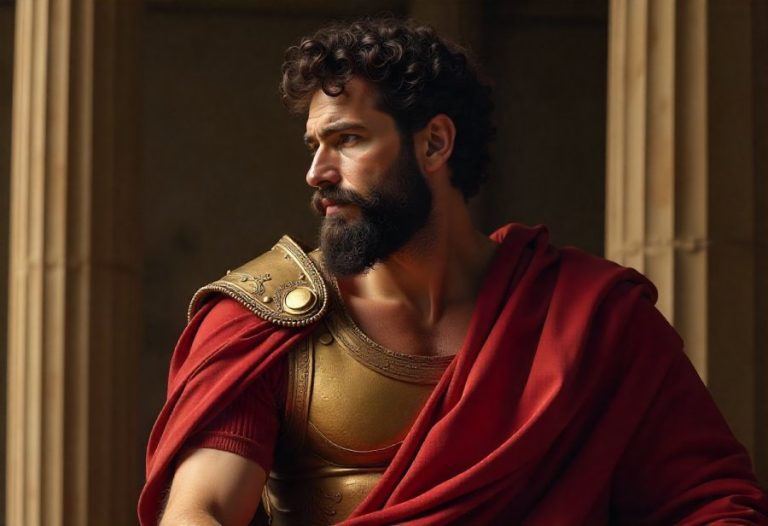
The story of Christopher Columbus is a captivating exploration of daring ambition and profound consequence. His 1492 voyage opened the doors to a new world, reshaping global history, commerce, and cultural exchange—yet it also marked the beginning of centuries of exploitation and suffering for indigenous peoples. Was this groundbreaking discovery worth the devastating impact it wrought? Born in Genoa, Columbus’s early fascination with maps and exploration fueled his relentless pursuit of a westward route to Asia, leading to his historic landing in the Caribbean—mistakenly believing he had reached Asia’s outskirts. His subsequent journeys ignited an era of European colonization that heralded both progress and tragedy. Today, his complex legacy sparks fierce debate: celebrating the links he forged between continents, while condemning the violence, displacement, and cultural erasure he enabled. Columbus’s story prompts us to confront the moral costs of exploration, reminding us that the pursuit of discovery must always be tempered with responsibility and empathy.
Unveiling Columbus’s Complex Legacy: Discovery, Controversy, and Global Impact
The story of Christopher Columbus is one of exploration, ambition, and lasting influence. His voyages in 1492 marked a pivotal moment in world history, opening up new lands and initiating a complex legacy of discovery and controversy. While many celebrate him for connecting distant continents and shaping our understanding of the globe, it’s impossible to ignore the profound suffering his actions brought to indigenous populations. His journey embodies both the daring spirit of the Age of Exploration and the darker consequences that followed—consequences that continue to spark debate today.
Columbus’s voyages didn’t just involve crossing the Atlantic; they fundamentally reshaped global history. His landing in the Caribbean led to European discovery of the Americas, setting off waves of colonization, expansion, and cultural exchange. These expeditions sparked the Age of Exploration, transforming trade routes and geopolitical landscapes worldwide. Yet, alongside these achievements came violence, forced labor, and the decimation of native societies—an often overlooked part of his legacy. Recognizing both the breakthroughs and the costs helps us understand the full scope of his impact.
Born in Genoa in 1451, Columbus’s early fascination with maps and distant lands fueled his desire for exploration. Growing up in a port city, he listened to stories of adventure and became captivated by the idea of discovering new routes. His early experiences sailing along Italy’s coast and studying ancient geographies laid the groundwork for his later ambitions. His obsession with finding a westward route to Asia was rooted in classical knowledge and his own observations, even as others dismissed the idea as risky or naive.
Despite repeated rejections, Columbus persisted in seeking backing from European monarchs. It wasn’t until 1492 that Spain’s Queen Isabella and King Ferdinand agreed to sponsor his voyage, drawn by the promise of riches and a shortcut to Asian markets. With three ships—the Santa María, Pinta, and Niña—he set sail from Palos de la Frontera, confident that the Atlantic held the key to a new world. His unwavering faith in his westward route ultimately led to the historic sighting of land in October, though it was not Asia but a new continent—what we now know as the Americas.
The initial landing on an island in the Caribbean marked a turning point, but also the beginning of a complex chapter. Columbus believed he had reached the outskirts of Asia, but instead, he encountered a continent unknown to Europeans. His subsequent explorations, driven by the desire for gold and new territories, brought him into contact with indigenous peoples whose cultures he would soon threaten with conquest and exploitation. His voyages opened a new chapter of human history—one filled with promise, but also profound tragedy for native populations.
Early Life and Inspirations That Fueled Columbus’s Voyage of Exploration
Christopher Columbus was born in Genoa around 1451, into a modest family. His father, a wool weaver, and his mother, from a family of merchants, provided a humble upbringing in a bustling port city. From a young age, Columbus displayed a fascination with the sea, often listening to stories of distant lands and adventure that fueled his curiosity about the wider world. By his teens, he was already sailing along Italy’s coast, gaining firsthand experience navigating waters and studying maps that would become crucial to his future ambitions.
As he matured, Columbus’s passion for exploration deepened. Working as a sailor on merchant ships by his early twenties, he traveled extensively in the Mediterranean and along Atlantic coastlines. These voyages sharpened his skills in navigation and geography, and he devoured texts by scholars like Ptolemy, whose ancient maps suggested the Earth was smaller than many believed. His growing understanding of the world convinced him that sailing westward could be a shortcut to Asia, a bold idea that set his sights on uncharted waters.
The concept of reaching Asia by sailing west wasn’t new. Many explorers and scholars had proposed similar routes, but the Atlantic remained a vast, largely unexplored ocean filled with uncertainty. Portugal had begun establishing a sea route around Africa, making Columbus’s plan seem risky or even naive to some. Yet, his obsession with classical geographies and his own observations kept him convinced that a shorter, direct route across the Atlantic was possible. His unwavering belief in this idea shaped every step of his journey toward exploration.
To turn his vision into reality, Columbus sought backing from European monarchs. After facing rejection from Portugal and England, he finally gained support from Spain’s Queen Isabella and King Ferdinand in 1492. They saw potential in his plan to expand Spain’s influence and access Asian markets directly. With their sponsorship secured, he prepared his fleet, driven by years of study, experience, and a relentless conviction that the world was ready for his voyage.
Columbus’s early life, marked by a love of maps, a curiosity about distant lands, and a drive for discovery, culminated in the moment he set sail into the unknown. These influences propelled him toward the historic crossing of the Atlantic, leading to the discovery that would forever change how the world understood itself—an adventure rooted in ambition, vision, and the pursuit of the extraordinary.
1492 Voyage: The Journey, Discoveries, and the Birth of a New Era
Columbus’s voyage in 1492 was a daring expedition, born from years of planning and fueled by a relentless belief in a westward route to Asia. After securing backing from Spain’s Queen Isabella and King Ferdinand—who saw potential riches and strategic advantage—he assembled three ships: the Santa María, Pinta, and Niña. Setting sail from Palos de la Frontera in August, Columbus faced the vast, unpredictable Atlantic with a crew wary of the unknown but committed to discovery.
The journey across the ocean was marked by uncertainty and mounting tension. Weeks at sea brought storms, navigational challenges, and doubts among the crew about Columbus’s confidence in his compass and dead reckoning. Some sailors feared they were sailing off the edge of the world, while others questioned whether land was truly near. Yet Columbus maintained unwavering resolve, reassuring his men that they would find land soon. His navigation relied on limited tools, observations, and a steadfast belief that the west was the shortest path to Asia.
After more than two months at sea, land finally appeared on October 12, 1492. Columbus’s excitement was mixed with confusion—he believed he had reached Asia’s outer islands, but instead, he stumbled upon a new continent. He named the island San Salvador, marking the first European contact with the Americas. This discovery opened a new chapter in world history, though Columbus remained convinced he’d found part of Asia, not realizing the true scale of his find.
Columbus’s subsequent explorations took him to nearby islands like Cuba and Hispaniola, where he established small settlements. Driven by the pursuit of gold and territorial claims, he encountered indigenous peoples whose cultures he soon threatened through conquest and exploitation. His interactions ranged from curiosity to force, foreshadowing the violent upheavals that would follow European colonization. Despite these darker aspects, his voyages ignited widespread interest in the New World.
The voyage of 1492 was more than a crossing of the Atlantic; it was a gateway to a vastly expanded world. Columbus’s belief in a shorter route to Asia transformed into the accidental discovery of the Americas, setting in motion a wave of exploration, conquest, and cultural exchange. His journey marked the beginning of European dominance in the Western Hemisphere, forever altering global trade, geopolitics, and societies.
Throughout the expedition, Columbus’s determination kept him focused despite hardships. Storms battered his ships, navigational errors persisted, and morale fluctuated, but he refused to give up. When land finally appeared, it was a moment of triumph—yet it also sparked a complex legacy of discovery and devastation. His voyage was a leap into the unknown, with consequences that would ripple through history for centuries to come.
This voyage laid the groundwork for future exploration, but it also introduced the dark realities of colonization. Columbus’s landing in the Caribbean set off a chain of events that would lead to the exploitation and decimation of indigenous populations. His journey epitomizes the dual nature of exploration—bold and groundbreaking, yet often driven by greed and violence. Recognizing this complexity helps us understand the true scope of his impact.
Columbus’s 1492 voyage was a historic milestone, driven by ambition and curiosity but shadowed by conquest and suffering. It changed the course of history, opening new worlds for Europeans while unleashing forces that would devastate native civilizations. His journey exemplifies how exploration can be both transformative and destructive, a reminder of the moral weight carried by those who venture into uncharted territories.
The Contested Legacy: Celebrating Progress Amidst Suffering and Exploitation
Columbus’s voyages changed the course of history, but they also ignited a long-lasting and contentious legacy. While he is credited with opening the Americas to European exploration and laying the groundwork for a connected world, his actions also ushered in centuries of suffering for indigenous populations. His arrival marked the beginning of colonization, which often involved violence, forced labor, and cultural destruction. Native peoples faced displacement, epidemics, and systemic oppression, consequences that continue to resonate today.
Supporters highlight the transformative effects of Columbus’s expeditions. They point to the Columbian Exchange, which introduced crops, animals, and technologies across continents, reshaping economies and diets worldwide. Potatoes, maize, and other staples revolutionized European agriculture, while horses and livestock changed indigenous societies forever. These exchanges fostered global interconnectedness and cultural blending, shaping the modern world. Yet, critics emphasize that these benefits came at a terrible human cost—native communities were decimated by violence, disease, and colonization.
The debate over Columbus’s legacy remains fierce. Statues have been pulled down, and holidays renamed, as society grapples with acknowledging the darker side of his story. Indigenous voices stress that celebrating Columbus without recognizing the devastation he enabled perpetuates a skewed narrative. His leadership and actions laid the foundation for colonization’s brutal realities—exploitation, cultural erasure, and demographic collapse. Recognizing these truths invites a more honest, nuanced understanding of history, one that respects the experiences of those who suffered.
His role in catalyzing European dominance over the Americas cannot be understated. Columbus’s voyages sparked an era of conquest that reshaped geopolitics and resource control. The systemic exploitation of native peoples, driven by greed and a sense of racial superiority, established patterns of oppression that echo into today’s inequalities. While he expanded the known world, he also initiated a cycle of violence and cultural upheaval that left scars on countless communities.
Understanding Columbus’s legacy calls for a balanced perspective. It’s vital to acknowledge his achievements in opening new horizons, but equally important to confront the violent, destructive consequences. His story exemplifies how exploration can be both a force for progress and a catalyst for harm. Embracing this complexity allows us to learn from the past and approach the future with greater responsibility, ensuring that the pursuit of discovery includes respect for human dignity and cultural integrity.
Lessons from History: Reflection, Responsibility, and the Ethics of Exploration
Columbus’s voyages offer lessons that go beyond the thrill of discovery. They remind us that curiosity and ambition can drive progress, but without a moral compass, exploration can lead to harm. His journey underscores the importance of respecting the cultures and peoples already present in new lands. Progress should never come at the expense of human dignity or cultural integrity. Recognizing this helps ensure that future exploration is guided by responsibility and empathy, not just curiosity.
The story of Columbus also reveals that exploration is rarely straightforward. While his discoveries expanded the world’s horizons, they also set off cycles of colonization marked by violence, displacement, and systemic exploitation. The devastating decline of indigenous populations, driven by conflict and disease, highlights how the true cost of discovery often remains hidden behind tales of achievement. These lessons push us to approach future ventures with caution, prioritizing ethical considerations alongside innovation.
Reflecting on Columbus’s legacy prompts us to question how history is told and remembered. Celebrating explorers without acknowledging the suffering they caused risks creating a narrow story of heroism. Today’s debates over statues and holidays underscore a shift toward more honest narratives—ones that include indigenous voices and recognize the darker aspects of colonization. This balanced view fosters a deeper understanding of history, emphasizing accountability and respect for those impacted.
The long-lasting effects of Columbus’s voyages reach into the present. The Columbian Exchange, for instance, transformed agriculture, ecosystems, and economies worldwide—bringing both prosperity and tragedy. While new crops and animals reshaped societies, the spread of diseases and cultural upheaval devastated native communities. Acknowledging these outcomes reminds us that exploration’s influence extends far beyond initial discovery. It carries moral responsibilities that must guide us as we navigate new frontiers today.
These insights serve as a call to approach exploration with humility and care. Progress driven by curiosity must go hand in hand with respect for human rights and cultural diversity. Columbus’s story shows that unchecked ambition can lead to lasting harm, but it also offers an opportunity to learn. By embracing the full scope of his legacy—both achievements and atrocities—we can foster a more conscientious approach to discovery, ensuring that progress benefits all involved.
Understanding Columbus’s journey invites us to see exploration as a complex, dual-edged force. It can open doors to enlightenment and connection, but also unleash cycles of violence and loss. Recognizing this duality helps us avoid simplistic hero or villain narratives. Instead, it encourages a nuanced appreciation of exploration’s power and its ethical weight. With this perspective, we can strive for a future where curiosity is balanced by responsibility, and progress is rooted in respect for human dignity and cultural diversity.
About the Author