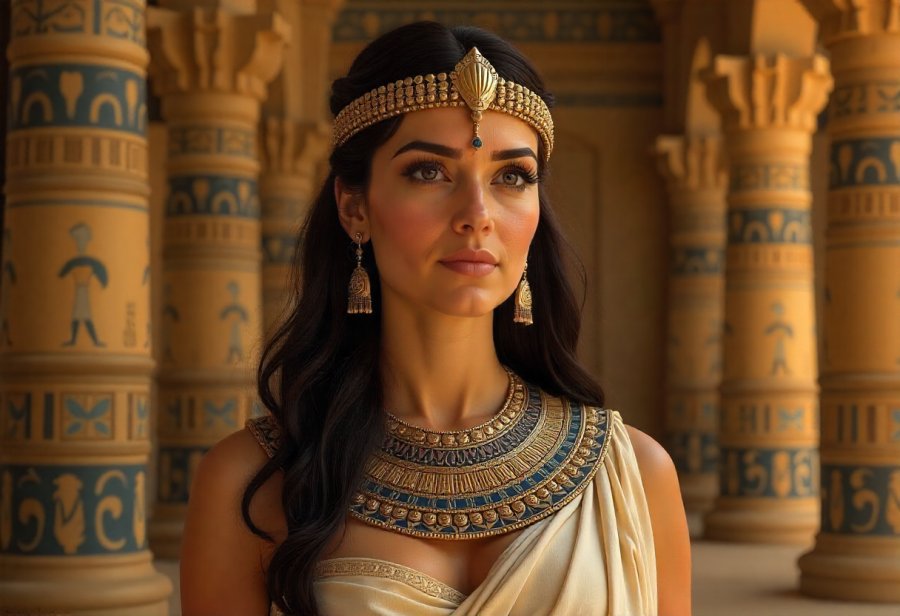
Beyond her legendary allure, Cleopatra VII emerges as a formidable leader driven by intellect, political mastery, and cultural finesse. Her story is one of resilience, strategic alliances, and scholarly pursuit, challenging the romanticized image of a seductive queen. How did a Macedonian princess wield such influence over the turbulent affairs of Egypt and Rome? This portrayal reveals her as a visionary who prioritized diplomacy, knowledge, and cultural diplomacy, using her multilingual skills and patronage of Alexandria’s renowned library to bolster her authority. Her alliances with Julius Caesar and Mark Antony were calculated moves rooted in statecraft, not mere charm. As modern scholarship redefines her legacy, Cleopatra stands as a pioneering female leader whose strength lay in her mind and adaptability. Her enduring influence reminds us that true power resides in resilience, education, and the ability to forge alliances—lessons as vital today as they were in her time.
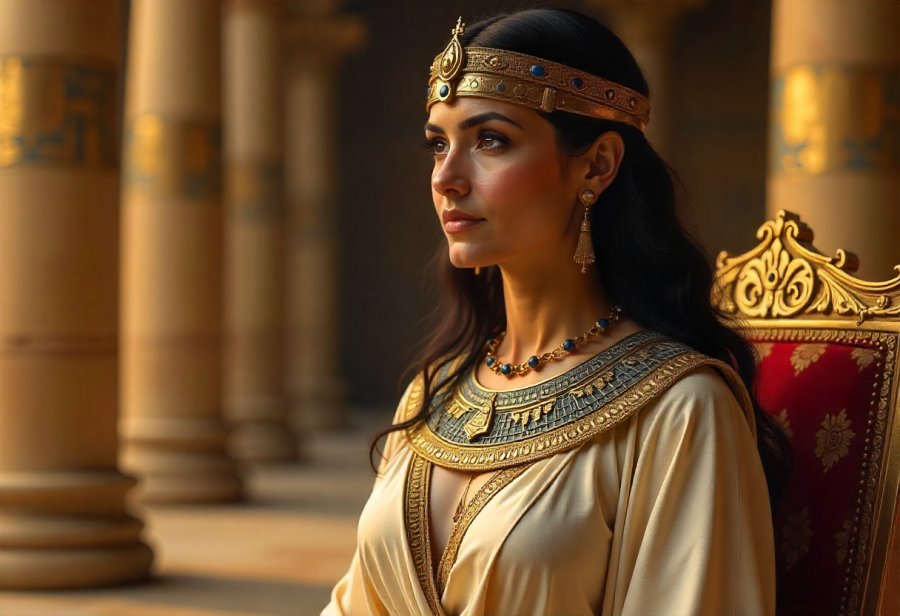
Unveiling Cleopatra: Beyond Beauty and Romance
Cleopatra VII is often remembered through stories of beauty and romance, but her true significance lies far beyond her legendary allure. She was a highly intelligent ruler who combined sharp political instincts, cultural depth, and strategic vision. Far from being just a seductress, Cleopatra was a formidable strategist and scholar, deeply engaged in the affairs of her kingdom and the wider world. Her reign was marked by efforts to preserve Egypt’s independence amid the expanding influence of Rome, showcasing her ability to navigate complex political landscapes with wit and resilience. Her legacy, therefore, hinges on her mind and leadership skills—qualities that continue to challenge the simplified images often associated with her.
Born into the Macedonian Ptolemaic dynasty, Cleopatra’s background was rooted in a lineage that traced back to one of Alexander the Great’s generals, Ptolemy I. Her family had established a Hellenistic kingdom that blended Greek traditions with Egyptian customs, often maintaining power through clever alliances and marriages. Growing up in Alexandria, she was immersed in a culturally rich environment that valued education, diplomacy, and political cunning. Her early years were filled with rigorous learning in languages, science, and governance, laying a foundation that would shape her approach to leadership. This blend of knowledge and strategic thinking became the bedrock of her reign and her reputation as a ruler of remarkable intellect.
The political landscape Cleopatra inherited was tumultuous. Egypt faced internal rivalries within the court, factional struggles, and external threats from neighboring empires, especially Rome. Her ancestors had wielded power through diplomacy and military strength, but by her time, sheer force was often insufficient against the rising tide of Roman dominance. Cleopatra’s leadership was shaped by this environment—one that demanded not only political acumen but also cultural finesse. She understood that her authority depended on forging alliances, managing internal factions, and projecting an image of divine authority—all skills she mastered early on.
Her rise to power was a testament to her sharp political mind. After her father’s death, she faced rivals eager to claim the throne. Cleopatra responded with strategic and calculated moves. She aligned herself with influential figures like Julius Caesar and later Mark Antony, knowing that alliances with Rome could secure her position and protect her kingdom. Her marriage to her younger brother was a move to legitimize her claim, but she quickly moved to assert her independence once in power. Her ability to turn adversity into opportunity—through diplomacy, propaganda, and calculated marriages—demonstrates her mastery of political strategy.
Cleopatra’s education played a vital role in her leadership style. She was fluent in several languages, including Egyptian, Greek, and Latin, which allowed her to communicate directly with diverse audiences. Her intellectual pursuits extended into supporting the arts, sciences, and philosophy. She took a keen interest in the Library of Alexandria, one of the ancient world’s greatest centers of learning, and patronized scholars and scientists. This commitment to knowledge was not just cultural; it was a strategic asset, helping her stay informed and make calculated decisions. Cleopatra understood that a ruler’s strength lay in her ability to combine political savvy with cultural and intellectual influence.
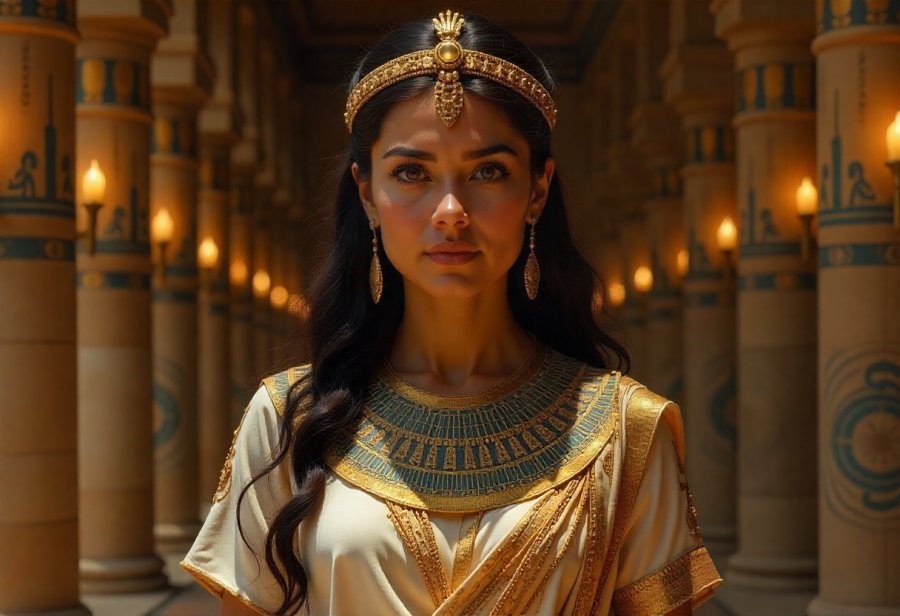
Reimagining Cleopatra: From Myth to Modern Mastermind
Cleopatra’s image has long been shaped by stories emphasizing her beauty and seductive charm, but modern scholarship paints a far richer picture. Today, she is recognized less as a mythic seductress and more as a strategic diplomat and cultural leader who understood the true sources of power. Her multilingual abilities, support for Alexandria’s scholarly institutions, and skill in navigating complex alliances highlight her as a ruler whose strength lay in her intellect and foresight, not just her allure. This shift in perspective reveals her as a woman who used knowledge and cultural influence as her most potent tools.
Throughout history, Cleopatra’s story has been reinterpreted, often reflecting the values and attitudes of the times. During the Renaissance, she was romanticized as a tragic lover, overshadowing her political achievements. Today, her legacy is more nuanced. Films, literature, and academic research increasingly depict her as resilient and clever, emphasizing her mastery of diplomacy and her ability to forge strategic relationships. These portrayals challenge outdated stereotypes, showing her as a leader who valued intelligence and cultural diplomacy as much as political power.
Her relationship with Julius Caesar exemplifies her strategic mindset. Rather than relying solely on charm, Cleopatra understood the importance of building alliances rooted in mutual interests. Her union with Caesar was a calculated move to secure her throne and Egypt’s independence, demonstrating her ability to leverage diplomacy effectively. Similarly, her alliance with Mark Antony was aimed at resisting Roman dominance, showcasing her skill in balancing influence and authority through strategic partnerships rather than brute force.
Supporting Egypt’s scholarly and scientific communities remains a significant part of Cleopatra’s legacy. Her patronage of the Library of Alexandria and her encouragement of scholars and scientists weren’t just cultural luxuries—they were vital to maintaining Egypt’s status as a center of knowledge and innovation. By fostering an environment of learning and inquiry, she positioned Egypt as a hub of intellectual power. This emphasis on cultural diplomacy and knowledge-sharing was a deliberate strategy to sustain her influence and resilience in a turbulent political landscape.
Recent archaeological discoveries and scholarly reinterpretations deepen our understanding of her leadership. Evidence points to a ruler who blended Egyptian traditions with Hellenistic influences, leveraging her multilingual skills and support for Alexandria’s intellectual life to bolster her authority. Cleopatra’s ability to navigate Roman politics with finesse, using symbols, language, and shared values, underscores her mastery of cultural diplomacy. These insights reveal a complex leader who valued wisdom and adaptability as much as political cunning.
Modern representations of Cleopatra continue to evolve, emphasizing her resilience, intelligence, and strategic vision. She is increasingly seen as a pioneer among female leaders, demonstrating that strength and influence are rooted in cultural awareness, education, and emotional intelligence. Her story inspires contemporary women in leadership, illustrating that true power comes from a blend of knowledge, perseverance, and the capacity to forge meaningful alliances. Cleopatra’s legacy reminds us that leadership is as much about resilience and adaptability as it is about tradition or authority.
In sum, Cleopatra’s enduring influence lies in her mastery of the intangible—her wit, cultural savvy, and strategic thinking. Her legacy shifts the focus from romanticized myth to the realities of a woman who used her mind as her greatest asset. She exemplifies how leadership built on intelligence, resilience, and cultural diplomacy can leave a lasting mark, offering lessons that remain relevant today. Cleopatra’s story continues to challenge us to see true power not just in titles or appearance, but in the strength of the mind and the ability to adapt to changing circumstances.
Legacy and Lessons: How Cleopatra Inspires Future Leadership
Cleopatra’s legacy offers valuable lessons for future leadership, especially for women aiming to make a lasting impact in a complex world. Her life exemplifies how intelligence, resilience, and cultural awareness are powerful tools for navigating political and social challenges. As global dynamics continue to shift, her ability to adapt strategically and build meaningful alliances reminds us that effective leadership relies on a blend of knowledge and emotional intelligence. Embracing these qualities can empower new generations to face modern obstacles with the same ingenuity Cleopatra demonstrated during her reign.
Looking ahead, her example underscores the importance of valuing education and cultural literacy as core components of influence. Cleopatra’s mastery of multiple languages and her support for Alexandria’s scholarly institutions show that investing in knowledge and innovation creates long-term strength. Future leaders who prioritize fostering learning environments and embracing diverse perspectives will be better equipped to lead with vision and resilience. Her success in integrating tradition with innovation highlights that adaptability and a willingness to evolve are essential for maintaining influence over time.
Resilience emerges as one of Cleopatra’s most enduring lessons. Her ability to hold onto her throne amid internal rivalries and external threats demonstrates the importance of mental toughness and perseverance. She understood setbacks as opportunities for strategic recalibration rather than insurmountable barriers. Future leaders can draw from her example, viewing difficulties as chances to refine their approach and deepen their resolve. Cleopatra’s resilience shows that perseverance, combined with thoughtful strategy, can turn adversity into a catalyst for growth and renewal.
Cultural diplomacy remains a crucial aspect of her leadership model. Cleopatra’s mastery of symbols, language, and shared values enabled her to forge alliances and legitimize her authority across different cultures. Her relationships with Rome’s powerful figures were carefully crafted, rooted in mutual respect and strategic interest. In today’s interconnected world, the ability to understand and respect diverse perspectives is more vital than ever. Cleopatra’s example teaches that influence often stems from cultural intelligence and genuine engagement, skills that foster cooperation and trust in an increasingly complex global landscape.
Finally, her patronage of arts and sciences highlights the importance of supporting innovation and knowledge-sharing. By cultivating Alexandria’s intellectual community, Cleopatra demonstrated that fostering learning benefits both societal progress and national strength. Leaders who prioritize education and scientific inquiry can build societies that are adaptable, inventive, and resilient—traits essential in today’s fast-changing environment. Cleopatra’s commitment to cultural and intellectual growth reminds us that true influence extends beyond immediate political gains, creating a lasting legacy rooted in wisdom, curiosity, and the capacity to inspire future generations.
About the Author