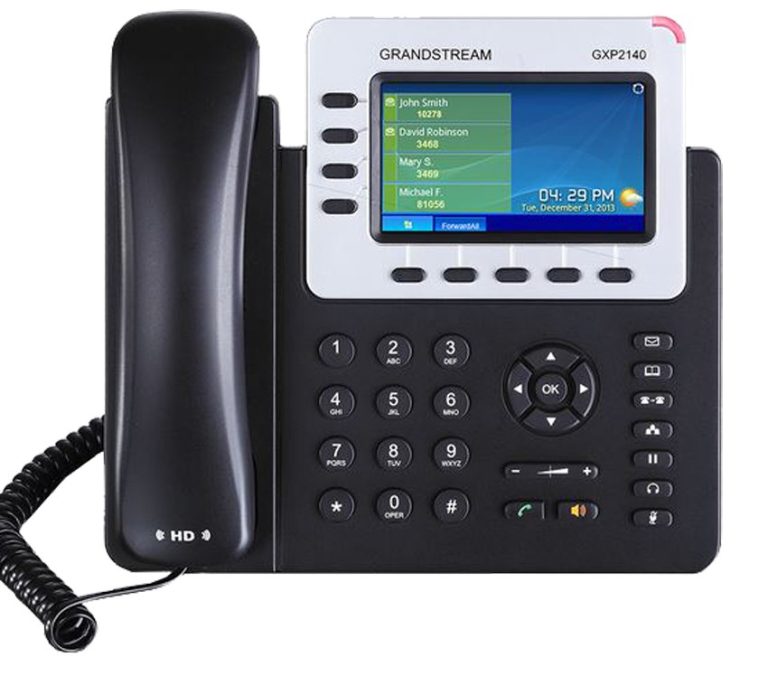
In an era where effective communication can determine a company’s competitive edge, customized telephony solutions emerge as game-changers. By leveraging advanced IP and VoIP technology, organizations can craft tailored systems that enhance scalability, flexibility, and cost efficiency. Grandstream’s devices, with their ease of deployment and management via cloud platforms, empower businesses to optimize call routing, integrate with CRM tools, and adapt swiftly to growth or shifting needs. This not only streamlines workflows but also boosts responsiveness and customer satisfaction. Yet, as technology rapidly evolves—incorporating AI, enhanced security, and unified communication ecosystems—the question remains: are you harnessing the full potential of these innovative tools to transform your organization’s communication infrastructure into a strategic asset? Embracing these advancements today prepares your business for a future where agility, personalization, and seamless connectivity define success.
Unlocking Business Growth with Customized Telephony Solutions
In today’s fast-moving business landscape, effective communication isn’t just a nice-to-have—it’s essential. Companies that connect their teams smoothly and respond swiftly to clients gain a real competitive edge. That’s where customized telephony solutions come in, offering tailored systems designed specifically to fit each organization’s unique workflows and needs. Unlike off-the-shelf setups, these personalized systems help streamline processes, reduce missed calls, and foster a more cohesive communication environment that supports growth and agility.
Understanding the technology behind these solutions makes their benefits even clearer. Modern telephony relies heavily on IP (Internet Protocol) technology, which converts voice signals into digital data that travels over the internet. This shift from traditional landlines to VoIP (Voice over Internet Protocol) has opened up new possibilities—more flexibility, scalability, and cost savings. Cloud-based management platforms further simplify control, allowing businesses to easily configure, update, and troubleshoot their systems remotely, no matter how many locations they have.
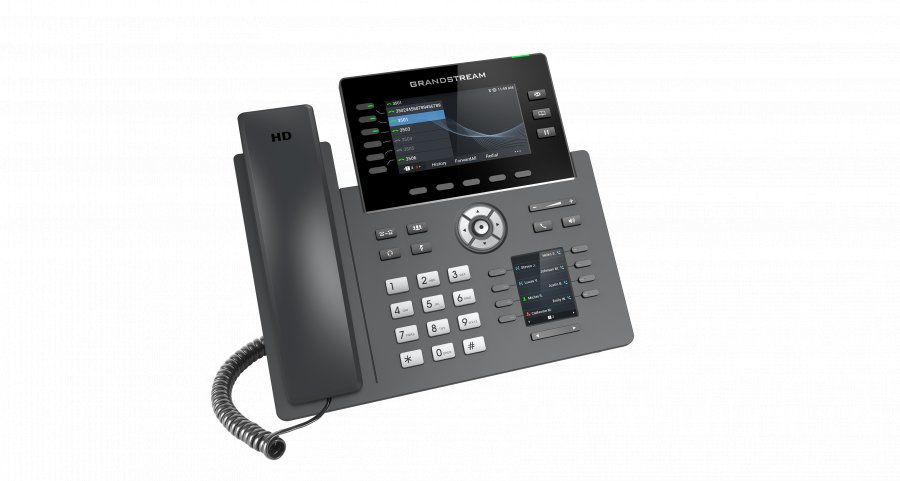
Devices like Grandstream’s IP phones are at the heart of these customized solutions. Designed for easy deployment and management, they support a wide array of features from personalized call routing to integration with other business tools like CRMs. These phones are built to grow with your organization, enabling quick adjustments to workflows and user preferences without complex hardware changes. When combined with cloud management, they offer a seamless way to keep your communication systems flexible, reliable, and aligned with your evolving needs.
The real power of tailored telephony lies in its ability to improve efficiency and responsiveness. Call routing can be optimized so inquiries reach the right person immediately, reducing delays and boosting customer satisfaction. Employees can personalize their devices for quicker access to essential features, making daily interactions smoother. As organizations expand, these solutions can be scaled effortlessly—adding new lines or adjusting settings via the cloud—ensuring your communication infrastructure remains a strategic asset rather than a static tool.
Ultimately, adopting customized telephony solutions transforms communication from a routine task into a strategic advantage. It creates a connected, responsive environment that supports better teamwork, faster decision-making, and enhanced customer experiences. Embracing these technologies today sets the stage for a more agile, efficient business ready to meet future challenges head-on.
Building Blocks: The Technology Behind Modern Telephony
Understanding the core of telephony technology is essential to appreciate how customized solutions like those powered by Grandstream devices operate so effectively. At the heart of modern telephony is IP (Internet Protocol) technology, which transforms voice signals into digital data packets that travel seamlessly over the internet. This digital shift replaces traditional analog landlines, offering businesses increased flexibility, scalability, and significant cost savings. Instead of relying solely on physical wires, organizations leverage internet connections to manage multiple communication channels, making it easier to expand or adapt their systems as needed.
Cloud-managed telephony platforms have become a cornerstone of this evolution. These platforms enable organizations to control and configure their entire phone system remotely through intuitive interfaces. This means updates, troubleshooting, and modifications can happen without onsite visits or complex hardware reconfigurations. For businesses with multiple offices or remote teams, cloud management ensures consistency and responsiveness across all locations, simplifying maintenance and enabling real-time adjustments that keep communication flowing smoothly.
Device selection is just as critical as understanding software. Grandstream’s IP phones exemplify devices built for customization and ease of use. They support features like personalized call routing, speed dial shortcuts, and integration with other business tools such as CRMs. These phones are designed for quick deployment and straightforward management, allowing organizations to tailor their communication workflows effortlessly. Their compatibility with cloud management systems enhances this flexibility, providing a unified platform to monitor, update, and optimize device performance from anywhere.
VoIP technology underpins most contemporary telephony solutions. By converting voice into data packets transmitted over the internet, VoIP reduces costs dramatically and simplifies scaling. Adding new lines or adjusting features requires minimal effort, often achieved through remote configuration tools, rather than physical hardware changes. This flexibility makes VoIP a game-changer for growing organizations, enabling them to expand their communication capacity without substantial infrastructure investments.
The shift towards cloud-based control and device customization reflects a broader technological trend. These systems are no longer optional but vital for competitive businesses seeking agility. Centralized management tools allow for swift updates, troubleshooting, and deployment across multiple sites, ensuring high-quality, reliable voice services. Devices like Grandstream’s IP phones are integral to this ecosystem, offering robust features that can be managed remotely, ensuring consistent performance regardless of location.
By understanding these technological foundations, organizations can better leverage the power of customized telephony. Moving away from hardware-dependent systems toward flexible, cloud-enabled solutions creates a resilient and scalable communication infrastructure. This approach not only enhances current operations but also prepares the business for future growth and technological advancements, ensuring a seamless, connected experience for teams and clients alike.

Transforming Communication: The Power of Tailored Telephony Systems
Tailored telephony solutions can transform how organizations communicate, boosting efficiency and fostering stronger collaboration. When a business customizes its phone system—through features like smart call routing, personalized user settings, or seamless CRM integration—it creates a communication environment that aligns perfectly with its workflows. This precision not only streamlines daily operations but also reduces the frustration of missed or misdirected calls, allowing teams to respond faster and more effectively.
One of the clearest advantages is how these systems speed up internal responses. Calls that are routed directly to the right person or department minimize delays, enabling quicker customer support and faster problem resolution. As a result, customer satisfaction rises while employees spend less time shuffling calls or searching for information. Cloud management platforms make this customization simple—allowing managers to update call flows or device settings remotely, without the need for technical support or physical adjustments.
Personalization extends beyond call handling. Devices like Grandstream’s IP phones support features such as speed dial shortcuts, presence indicators, and custom notifications. Employees can tailor their devices to match their routines, making frequent calls or accessing key information quick and intuitive. This level of customization reduces daily friction, helping teams coordinate more smoothly and adapt swiftly to shifting priorities.
These solutions also promote better cross-departmental collaboration. When communication tools are aligned with organizational structures, sharing information becomes more straightforward. High-priority leads can be directed straight to top sales reps, while technical issues go directly to specialized support teams. This targeted routing ensures inquiries reach the right hands immediately, accelerating issue resolution and enhancing overall service quality.
Deploying personalized telephony isn’t just about immediate gains—it’s about scalable growth. As your organization expands or pivots, call flows and device configurations can be adjusted effortlessly via cloud platforms. Adding new lines or launching a new service line doesn’t require a complete overhaul; it’s a matter of simple updates that keep your communication system aligned with your evolving business needs. This flexibility makes your telephony infrastructure a true strategic asset.
Managing these systems effectively requires some planning. Clear analysis of current communication challenges helps determine which features—like call queues, voicemail, or integrations—will deliver the most value. Partnering with experienced providers can streamline deployment, ensuring the system is tailored, secure, and optimized from day one. Regular monitoring and updates keep the system performing at its best and ready to support future growth.
Training staff on new features is crucial. When employees understand how to leverage personalized settings and device capabilities, daily interactions become more efficient. Quick access to key functions and clear workflows reduce frustration and improve overall communication quality. Encouraging feedback also helps refine configurations and adapt features to changing team needs.
By choosing flexible, cloud-managed solutions like Grandstream’s IP phones, organizations set themselves up for ongoing success. These systems help turn communication from a routine task into a powerful strategic tool—driving productivity, enhancing customer engagement, and supporting growth. When organizations harness the full potential of customized telephony, they create a more connected, responsive business environment that’s ready for whatever the future holds.
From Planning to Deployment: Implementing Custom Telephony Solutions
Implementing custom telephony solutions begins with a clear understanding of your organization’s specific communication needs. Start by examining how your teams handle calls now—identify bottlenecks, missed opportunities, or repetitive tasks that could benefit from automation. This insight guides you in selecting features like advanced call routing, voicemail options, or CRM integrations that will add the most value and streamline workflows.
Once you’ve mapped out your requirements, choosing the right hardware is crucial. Grandstream’s IP phones are designed for straightforward customization, supporting features like personalized call flows, speed dials, and presence indicators. They integrate seamlessly with cloud management platforms, allowing you to configure and deploy devices remotely. This setup reduces on-site setup time and minimizes errors, making it easier to roll out new systems across multiple locations or teams.
Deploying your system through a cloud-managed platform simplifies the entire process. You can set up, update, and troubleshoot devices from anywhere, whether in your office or remotely. This flexibility is particularly valuable for distributed teams or organizations planning rapid expansion. Cloud platforms also enable you to maintain a consistent user experience and ensure all devices are running the latest features and security updates without physical intervention.
Training staff on new features and workflows maximizes the benefits of your investment. Walk employees through device customization, quick-access features, and how to leverage integrations with other tools. When users understand how to tailor their phones to their routines, daily communication becomes more efficient and less frustrating, fostering a smoother workflow and better collaboration.
Monitoring system performance should be an ongoing process. Cloud management tools offer real-time insights into call quality, device status, and usage patterns. Regular review of these metrics helps you quickly identify and resolve issues before they escalate, ensuring high reliability and a consistent experience for users and customers alike.
As your organization grows or shifts priorities, adjustments are inevitable. Cloud management makes it simple to scale your system—adding new lines, re-routing calls, or updating configurations—without the need for disruptive hardware changes. This adaptability keeps your communication infrastructure aligned with your evolving business landscape, avoiding costly overhauls and downtime.
Partnering with experienced providers or system integrators can ease the transition, offering expert assistance in planning, deploying, and optimizing your telephony system. Their guidance ensures your setup is secure, efficient, and tailored to meet current and future needs, providing peace of mind as you implement new communication workflows.
Finally, treat your telephony system as a dynamic tool rather than a static asset. Regularly review performance data, gather user feedback, and stay informed about new features or updates. This proactive approach allows your communication infrastructure to evolve alongside your business, turning it into a strategic advantage that supports growth, efficiency, and superior customer engagement.
Future-Proof Communication: Trends and Innovations in Telephony Technology
The future of customized telephony solutions is both promising and dynamic, driven by rapid technological advancements. Cloud platforms are becoming more sophisticated, making system management increasingly intuitive and scalable. This evolution means organizations can adapt their communication infrastructure quickly, adding new features or expanding capabilities without costly hardware overhauls. As a result, businesses can stay agile, responding seamlessly to changing needs and market conditions.
Innovations like AI-driven analytics and enhanced security protocols are already beginning to reshape how companies connect with clients and support internal collaboration. These tools provide deeper insights into call patterns, customer preferences, and operational bottlenecks, empowering teams to make smarter decisions. Meanwhile, emerging security features help protect sensitive information, ensuring compliance and safeguarding reputation in an increasingly digital world.
Devices such as Grandstream’s IP phones will continue to evolve, incorporating smarter automation, more user-friendly interfaces, and better connectivity across multiple platforms. These improvements will make it even easier for teams to personalize their communication workflows, boosting productivity and engagement. The integration of voice, video, messaging, and data analytics into unified ecosystems promises richer, more tailored experiences for both employees and customers.
The shift toward integrated communication ecosystems is already underway, with voice and data converging into seamless platforms. This convergence offers organizations a holistic view of their interactions, enabling more proactive engagement and personalized service. As these ecosystems mature, they will reveal new opportunities for automation and customization, turning communication channels into strategic assets that drive growth and customer loyalty.
Embracing these trends today positions businesses to remain resilient amid ongoing change. Companies that invest in flexible, cloud-managed solutions like Grandstream’s offerings will find it easier to innovate without disruption. This proactive stance not only preserves competitive advantage but also unlocks new potential for efficiency, collaboration, and customer satisfaction.
The landscape of telephony is set to become even more intelligent and interconnected, with smarter automation and richer integrations becoming standard. Staying informed and open to experimentation will allow organizations to harness these innovations fully. Those who lead the way will build communication systems that are not just reactive tools but active drivers of strategic growth.
By aligning technology investments with future trends, organizations can create resilient, scalable, and highly personalized communication environments. This approach ensures that their telephony system remains a vital, adaptable asset—supporting not just current operations but also future ambitions. As communication continues to evolve, those who adopt a forward-looking mindset will turn connectivity into a competitive advantage that fuels long-term success.
About the Author