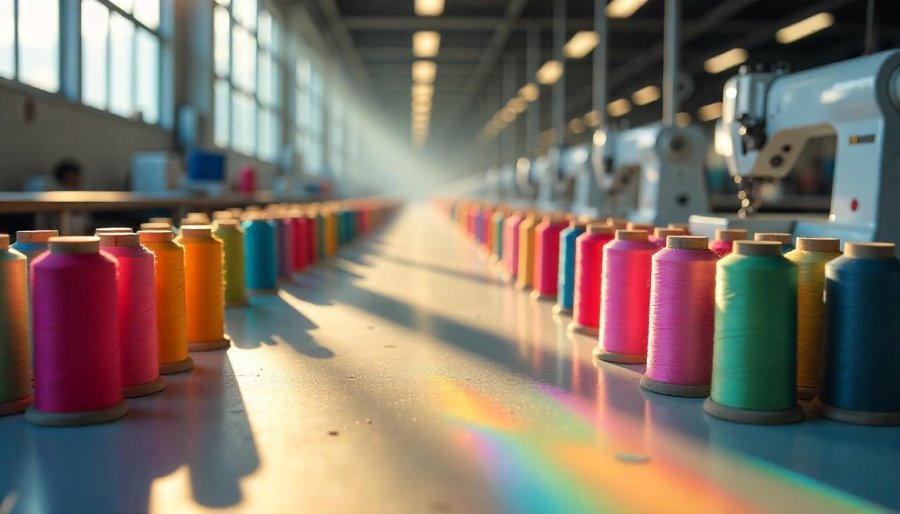
Nylon’s presence in our daily lives seems seamless, from clothing to carpets, yet its environmental toll is staggering. Crafted from petrochemicals derived from oil and natural gas, nylon’s production involves energy-intensive processes that release greenhouse gases, contributing to climate change and ecosystem destruction. Once in use, nylon persists for centuries, shedding microfibers into waterways that threaten marine life and potentially enter our food chain. As demand rises, so does the extraction of finite fossil fuels and the accumulation of plastic waste, creating a paradox of convenience versus ecological cost. Despite advances in recycling and bio-based alternatives, the scale of nylon’s environmental impact remains daunting, with microplastic pollution worsening and waste management struggling to keep pace. Can we reconcile nylon’s undeniable utility with our responsibility to protect the planet? Recognizing its hidden costs urges us to rethink choices—and challenge industries—toward more sustainable solutions.
Unveiling Nylon’s Hidden Environmental Costs
Nylon is one of those materials that’s almost impossible to avoid in our daily lives. Whether it’s in the clothes we wear, the carpets under our feet, or countless household items, nylon’s durability and low cost have made it a staple across industries. We often use it without giving much thought—simply accepting its convenience and affordability. But behind this familiar exterior lies a complex story about its environmental footprint, one that’s becoming harder to ignore as awareness around plastic pollution and climate change grows.
Many of us assume synthetic fibers like nylon are just modern byproducts, harmless and purely functional. In reality, nylon is a synthetic fiber created through chemical processes derived from petrochemicals—mainly oil and natural gas. Developed in the 1930s, it quickly gained popularity due to its strength, elasticity, and low cost, making it a go-to material for everything from athletic wear and hosiery to industrial products. Its resilience means it doesn’t break down easily, which is both a benefit and a challenge—especially for the environment.
The widespread use of nylon is driven by its practicality. Its durability allows products to last longer, but that same toughness means nylon remains in landfills for hundreds of years. When we wash nylon garments, tiny microfibers—microplastics—are shed and carried into wastewater, eventually reaching our oceans and lakes. Marine animals mistake these fibers for food, leading to injury, death, and the infiltration of plastics into the food chain. These microplastics are not just a marine problem; they pose potential health risks to humans as well, given the presence of plastics in seafood.
The production process itself is energy-intensive and environmentally damaging. Extracting and refining oil and natural gas for nylon’s raw materials involves habitat destruction, water contamination, and greenhouse gas emissions. The chemical reactions used to transform these petrochemicals into nylon fibers require high temperatures and significant electricity, much of which comes from burning fossil fuels. These processes release pollutants and greenhouse gases, fueling climate change while damaging ecosystems and community health near manufacturing sites.
Once produced, nylon’s environmental impact persists. It doesn’t biodegrade; instead, it fragments into microfibers that can escape waste management systems. These tiny fibers accumulate in water bodies, entering the food chain and affecting marine biodiversity. The microplastic pollution from nylon washing and degradation is a slow, ongoing crisis—one that’s invisible to most but has far-reaching consequences. It’s a problem that underscores how convenience can come at a significant ecological cost.
Today, nylon remains dominant in the global market, with production increasing to meet consumer demand for inexpensive, durable textiles. Despite advances in recycling and the emergence of bio-based nylons made from renewable resources, these alternatives still account for only a small fraction of the total. Consumer habits like fast fashion exacerbate the problem, leading to more waste, more microfibers, and more environmental strain. Without systemic change, these issues will only deepen as nylon’s presence in our lives continues to expand.
Understanding nylon’s environmental impact is crucial for making informed choices. It’s easy to overlook the long-term costs of a fabric that’s so ingrained in our routines, but awareness can inspire action. Whether it’s supporting sustainable brands, reducing unnecessary washing, or choosing natural fibers when possible, each step can contribute to a healthier planet. Recognizing the hidden costs behind nylon helps us see beyond convenience and rethink the true price of the products we rely on daily.
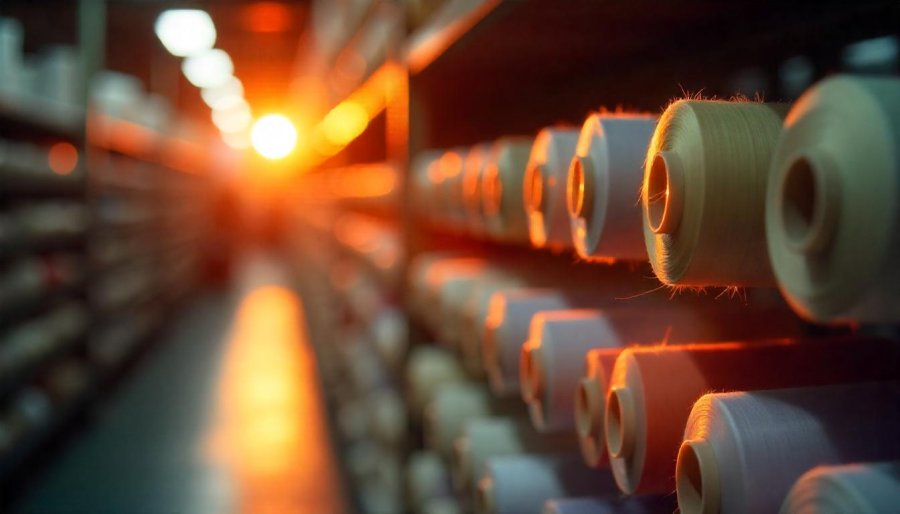
From Petrochemicals to Pollution: Nylon’s Toxic Journey
Nylon’s production starts with extracting petrochemicals—primarily oil and natural gas—which serve as the raw materials for its chemical building blocks. These resources are refined into compounds like hexamethylenediamine and adipic acid through complex chemical processes. The transformation from raw chemicals to nylon fibers involves polymerization, where molecules are linked into long chains that form the basis of synthetic fibers. This step is not only chemically intricate but also highly energy-intensive, requiring high temperatures and large amounts of electricity, much of which is generated by burning fossil fuels.
During manufacturing, a variety of pollutants are released into the environment. Volatile organic compounds, toxic chemicals, and heavy metals can escape into the air if proper controls aren’t in place. These emissions contribute to local air pollution and can contaminate nearby water sources, affecting ecosystems and communities living close to production facilities. Despite regulations, illegal dumping and accidental releases still occur, adding to the environmental hazards associated with nylon production. The chemicals involved are often hazardous, posing health risks to workers and residents near factories.
The reliance on fossil fuels is a major driver of nylon’s environmental footprint. Extracting oil and natural gas damages ecosystems through habitat destruction, water contamination, and soil disruption. Once obtained, these resources are processed into the chemical components needed for nylon, a process that consumes significant energy and releases greenhouse gases. The combustion of fossil fuels during this stage directly contributes to climate change, as carbon dioxide emissions pile up. As demand for nylon grows globally, so does the strain on these finite resources, increasing environmental costs at every step.
Waste byproducts and chemical residues pose ongoing challenges. Not all chemicals are fully consumed during production; many hazardous substances remain as residues that require careful disposal. Improper waste management can lead to these toxic chemicals leaching into soil and waterways, impacting wildlife and local communities. Many factories struggle with managing chemical waste properly, often leaving hazardous residues in the environment for years. This extends nylon’s ecological footprint beyond factory walls, adding an invisible but significant layer of damage that persists long after production ends.
The high energy demands of nylon synthesis amplify its environmental toll. The reactions require sustained high temperatures, achieved mainly by burning fossil fuels. This process releases large quantities of greenhouse gases, further fueling global warming. As production scales up to meet consumer demand, these emissions accumulate, making nylon one of the more carbon-intensive synthetic fibers. The environmental consequences extend beyond climate change, affecting ecosystems and biodiversity through habitat degradation, pollution, and resource depletion.
Given these impacts, it’s clear that nylon’s production is a complex web of environmental challenges. From resource extraction and chemical processing to waste management and emissions, each stage contributes to pollution, climate change, and ecosystem damage. Addressing these issues requires not only technological innovation, such as recycled or bio-based nylons, but also stricter regulations and a shift in consumer behavior. Moving toward a circular economy—where materials are reused and waste minimized—offers a pathway to reduce nylon’s environmental footprint. Yet, achieving this will demand coordinated efforts across industries, policymakers, and consumers alike.
The Battle to Sustain Nylon: Challenges and Opportunities
Nylon continues to dominate the global textile industry, with production steadily rising to meet the insatiable demand for affordable, durable fibers. From fast fashion chains to industrial applications, it’s everywhere—clothing, carpets, fishing nets, and beyond. This widespread use amplifies the environmental challenges tied to nylon, especially as waste management systems in many regions struggle to keep pace. Landfills overflow with discarded nylon products that can persist for centuries, slowly fragmenting into microfibers that escape into waterways. These tiny particles accumulate in oceans and lakes, contributing significantly to the growing plastic pollution crisis. Their persistence and ubiquity make nylon a particularly stubborn pollutant, one that’s difficult to contain or fully recycle.
While recycling initiatives and stricter regulations are gaining ground, they still represent only a fraction of nylon’s total lifecycle. Mechanical recycling of post-consumer waste, like old clothing or fishing gear, is improving but remains limited by contamination and fiber degradation. Bio-based nylons—made from renewable resources such as plant sugars—offer hope for reducing reliance on fossil fuels, but they are not yet produced at scale. Consumer habits, especially the fast fashion trend, accelerate the cycle of disposal and replacement, leading to increased waste and microplastic shedding. The rapid turnover of nylon-based products means more microfibers are released during washing, often bypassing water treatment systems and accumulating in marine environments.
The environmental footprint of nylon isn’t limited to waste. Its production depends heavily on fossil fuels, with oil and natural gas extraction causing habitat destruction, water contamination, and soil disruption. As demand grows, so does the extraction of these finite resources, fueling a cycle of environmental degradation. The chemical processes involved in transforming raw petrochemicals into nylon are energy-intensive, releasing sizeable amounts of greenhouse gases in the process. This makes nylon one of the more carbon-heavy synthetic fibers, directly contributing to climate change. The emissions and resource depletion associated with nylon production pose ongoing challenges that demand systemic change.
Despite these hurdles, awareness around nylon’s environmental impacts is increasing. Consumers are now more conscious of the ecological costs behind their purchases, prompting some brands to adopt sustainable practices, like using recycled fibers or promoting natural alternatives. However, the scale of nylon’s presence in the market means that individual actions, while important, aren’t enough. Industry-wide shifts, policy reforms, and technological innovations are essential to reduce nylon’s footprint significantly. Developing a circular economy—where materials are reused, recycled, and waste minimized—represents a promising path forward, but it requires coordinated effort across sectors and borders.
Looking ahead, the challenge lies in balancing nylon’s undeniable benefits—its durability, affordability, and versatility—with the urgent need for sustainability. Innovations such as bio-based nylons and advanced recycling methods hold promise, but they’re still in early stages and cannot yet replace the volume of traditional nylon production. Raising awareness about the full lifecycle impacts of nylon can inspire consumers and industries alike to make smarter choices. Small actions, like supporting sustainable brands or reducing unnecessary washing, can collectively create momentum for change. The path to a more sustainable future involves rethinking our reliance on this ubiquitous material and fostering a shift toward practices that prioritize ecological health over convenience.
About the Author