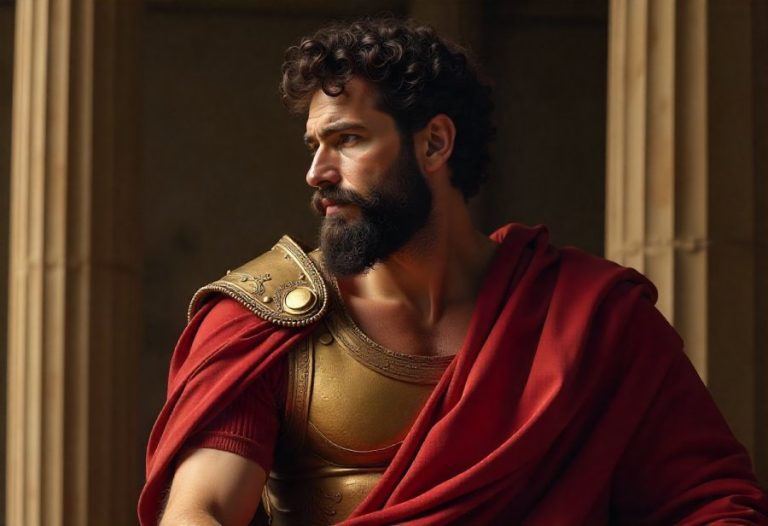
Could Robin Hood’s legendary rebellion be rooted in authentic social conflicts against King John of England, or is he merely a mythic figure? This exploration merges historical analysis, archaeological evidence, and folklore to reveal a complex tapestry of resistance during early 13th-century England. While direct proof of Robin Hood as a single individual remains elusive, the patterns of outlaw activity, resistance communities, and the strategic use of dense forests like Sherwood and Loxley suggest real social tensions. The stories of Robin Hood embody broader themes of justice, morality, and defiance against tyranny—shaping perceptions of resistance that resonate even today. As legends evolve, they reflect collective frustrations and moral ideals, challenging us to consider how myth and history intertwine. Are Robin Hood’s tales merely romanticized folklore, or do they echo genuine acts of rebellion rooted in a turbulent period of English history? This question continues to inspire inquiry into the enduring power of resistance and moral courage.
Unmasking the Legend: Robin Hood and King John’s Turbulent Reign
The Robin Hood legend has endured for centuries as one of the most compelling stories from medieval folklore, embodying themes of justice, rebellion, and moral resistance. At its core, Robin Hood is depicted as a heroic outlaw who “robs from the rich to give to the poor,” positioning him as a symbol of social justice during a period marked by widespread inequality and corruption. These stories originated in oral traditions and folk songs, gradually evolving into a rich body of literature, drama, and popular culture. Robin is consistently portrayed as a master archer and a figure operating outside the law, driven by a moral compass that aligns him with the oppressed rather than the corrupt authorities he challenges. Sherwood Forest, with its dense woodland and hidden hideouts, provides the quintessential backdrop for his adventures, reinforcing the mythic image of a hero fighting injustice from the shadows.
To understand the roots of Robin Hood, one must consider the turbulent political landscape of early 13th-century England, especially the reign of King John. Ruling from 1199 until 1216, King John’s reputation was marred by mismanagement, heavy taxation, and conflicts with barons and foreign powers. His reign was characterized by internal strife, including disputes over land and authority, as well as external wars, most notably with France. These tensions created a climate of social unrest, with grievances against royal exploitation and arbitrary justice fueling stories of rebellion and resistance. The signing of the Magna Carta in 1215 marked a pivotal moment, symbolizing both the political instability of the period and the barons’ desire for greater rights. This atmosphere of upheaval provided fertile ground for legends like Robin Hood to flourish, blending social discontent with mythic heroism.
Early references to Robin Hood appear in medieval ballads and folk songs from the 13th and 14th centuries. In these initial accounts, he is depicted as a social bandit living on the fringes of society. These stories emphasize his exceptional skill with a bow and his role as a defender of the oppressed, challenging corrupt officials and unjust laws. Over time, the tales merged local legends with broader themes of resistance against tyranny. During the late Middle Ages, Robin Hood increasingly took on a noble aspect—becoming a champion of the common people against the powerful and corrupt. This shift was influenced by the social tensions of the era, including conflicts between the monarchy and regional authorities, as well as disputes over land and governance. As Robin Hood’s stories transitioned into plays, poetry, and literature, he was transformed from a mere folk figure into a symbol of rebellion and moral justice that resonated across generations.
The connection between Robin Hood and the wider conflicts of the period, especially those involving King John, is evident in the narratives. Many stories depict Robin as actively resisting the king’s heavy taxation and arbitrary rule, framing his actions as morally justified rebellion. In the context of King John’s tumultuous reign—marked by widespread dissatisfaction and unrest—Robin Hood’s tales reflect these social realities, whether consciously or as allegory. The geographic focus on areas like Sherwood Forest and Loxley supports the idea that Robin Hood was rooted in actual outlaws operating in these regions, taking advantage of dense woodland areas to evade authorities and resist their demands. Such local resistance figures, whether entirely real or mythologized, embody the broader social tensions and struggles of King John’s rule, making Robin Hood a symbol of collective defiance.
While the legend’s roots are intertwined with real historical conflicts, the documentary record remains incomplete here. Medieval sources rarely mention Robin Hood by name, and references to outlaws tend to be generic, describing resistance or banditry without identifying individuals. Legal documents, court records, and tax rolls focus more on broad patterns of rebellion and theft rather than specific outlaw figures. Nonetheless, archaeological evidence from regions associated with Robin Hood’s legendary locale offers intriguing clues. Discoveries of concealed weapons, settlement layouts, and grave assemblages in Nottinghamshire and nearby areas suggest resistance communities or outlaw groups. These material remains imply a societal environment where resistance was possible, especially in dense forests that served as natural refuges, even if they do not provide definitive proof of Robin Hood himself.
The geographic focus on places like Sherwood Forest and Loxley aligns with the legend and hints at a historical reality where resistance figures could have operated with some degree of independence. Excavations within these woodland areas have uncovered settlement traces and concealed weapons, supporting the idea that outlaws or resistance groups may have existed there. These sites, known as refuges for those resisting royal or regional authority, lend credibility to the notion that Robin Hood’s stories are rooted in local memory of social conflicts. The dense forests provided strategic cover, and the traditions associated with these places—such as Robin Hood’s Well—serve to reinforce the legend’s geographic authenticity. While direct archaeological links to Robin Hood remain elusive, the material culture suggests that resistance and rebellion were real phenomena in this landscape.
Despite the scarcity of documentary evidence explicitly mentioning Robin Hood, the themes and settings of the stories correspond closely with the political and social realities of King John’s reign. Robin’s resistance to oppressive taxation and arbitrary justice echoes the widespread dissatisfaction among both barons and commoners of the time. The stories portray him as operating outside the law but with a moral purpose, challenging the legitimacy of royal authority and embodying the social unrest that characterized the period. The geographic setting of dense forests like Sherwood and Loxley, which served as havens for outlaws, also aligns with the historical understanding of these regions as refuges for those resisting authority. These details support the idea that the Robin Hood legend, whether rooted in specific individuals or collective memory, reflects authentic social tensions from the early 13th century.
In sum, the evidence from archaeology, local traditions, and the political climate of the era suggests that Robin Hood’s legend is more than mere myth. It likely draws on real social conflicts and resistance to royal authority, embedded in the landscapes and communities of medieval England. While definitive proof of Robin Hood as a single historical figure remains elusive, the recurring themes and geographical associations support the view that stories of resistance and rebellion in dense woodland settings genuinely reflect the societal tensions of King John’s troubled reign. Robin Hood, whether as an individual or as a collective symbol, embodies the collective memory of social struggles, justice, and defiance that continue to resonate today.
Tracing the Origins and Cultural Evolution of Robin Hood’s Myth
The origins and development of the Robin Hood myth reflect a layered process rooted in oral tradition and shaped by evolving cultural and political contexts over several centuries. The earliest references to Robin Hood predominantly emerge from medieval ballads and folk songs dating back to the 13th and 14th centuries. These initial stories depict Robin as a heroic outlaw living on society’s margins, distinguished by his exceptional skill with a bow and his role as protector of the oppressed. In these early accounts, Robin challenges corrupt officials and unjust laws, embodying a moral resistance that resonates with the common people. Variations across regions and storytellers contribute to a diverse tapestry of tales, yet they consistently portray Robin as a figure of righteousness and defiance, establishing a foundation for his enduring archetype.
As Robin Hood’s stories circulated orally, they accumulated layers of legend and political symbolism. Over time, the character was increasingly depicted as a noble champion of the common folk, fighting against the corrupt and powerful authorities. This transformation aligned with the rising social tensions of late medieval England, including conflicts between monarchs and their subjects, as well as disputes over land and governance. The stories began to embody broader themes of resistance and justice, turning Robin into a symbol of moral rebellion. These narratives were shaped not only by local grievances but also by larger societal struggles, making Robin Hood a reflection of collective hopes for fairness and resistance against tyranny.
During the late Middle Ages, Robin Hood’s legend expanded through literary and dramatic works. Plays, ballads, and poetry enriched his character, emphasizing virtues like loyalty, cleverness, and moral integrity. These cultural productions often portrayed Robin’s band of outlaws—such as Little John, Friar Tuck, and Maid Marian—as close-knit companions united by shared ideals of resistance and justice. The stories also began to depict Robin as a figure who defied authority not for personal gain but to uphold a moral cause. This literary evolution transformed Robin from a local folk figure into a national symbol of rebellion, broadening his appeal and reinforcing his role as a defender of societal morals.
The shifting political landscape of England further influenced Robin Hood’s myth. As conflicts between the monarchy and the populace intensified, Robin increasingly represented resistance against perceived tyranny. Tales frequently depict him resisting heavy taxation and arbitrary royal justice, aligning his character with the social unrest during King John’s troubled reign. The geographic association with dense woodlands like Sherwood Forest and Loxley roots the legend in real environments where outlaws could hide and organize opposition. These landscapes offered strategic refuge and became ingrained in the collective imagination as sanctuaries for resistance, further cementing Robin Hood’s symbolic connection to genuine social tensions.
While the narrative of Robin Hood’s origins is rich, the documentary record offers limited direct evidence. Early legal documents, tax records, and court cases from the 13th and 14th centuries mention outlaws and resistance figures generically but rarely name Robin Hood himself. These references describe theft and opposition to authority but lack the specificity to identify a particular individual. Nonetheless, patterns emerge that suggest certain resistance communities in Nottinghamshire and surrounding regions could have inspired the Robin Hood stories. Archaeological findings—such as concealed weapons, settlement layouts, and burial sites—support the existence of resistance-minded communities operating in dense woodland environments, although they do not confirm Robin Hood’s literal existence. These material remains, however, reinforce the plausibility that resistance was a tangible aspect of the societal landscape.
The geographic focus on areas like Sherwood Forest and Loxley aligns with the stories’ settings and supports the idea that real outlaws or resistance groups operated in these regions. Excavations in these woodlands have uncovered settlement traces, concealed weapons, and burial sites indicative of communities engaged in illicit activities or opposition to authorities. The dense forests provided natural cover, making them ideal hideouts for those resisting royal or regional oppression. Local place names—such as Robin Hood’s Well—persist in tradition, anchoring the legend in tangible landscapes. These sites likely served as gathering points or refuges for those resisting authority, blurring the line between myth and historical reality.
Despite the scarcity of direct documentary evidence linking Robin Hood to a specific person, the recurring themes of resistance, the geographical setting, and material finds suggest that figures resembling Robin Hood did exist—whether as individuals or collective embodiments of social opposition. The resistance against King John’s heavy taxation, arbitrary justice, and regional disparities created a fertile environment for outlaw legends to flourish. Robin Hood’s moral stance—operating outside the law but for just causes—mirrors the societal frustrations of the era. His stories encapsulate a broader narrative of social conflict, blending fact and myth into a powerful symbol of defiance that continues to resonate.
This myth’s evolution demonstrates how stories adapt to serve societal needs and reflect collective values. Robin Hood’s legend has been retold, romanticized, and reinterpreted through generations, each version revealing contemporary concerns about justice and authority. From the earliest folk ballads to modern films and literature, Robin Hood remains a potent symbol of resistance rooted in morality. His enduring appeal underscores the idea that legends serve as cultural mirrors—embodying societal hopes, fears, and ideals. As such, Robin Hood’s myth exemplifies the dynamic interplay between history, folklore, and cultural memory, illustrating how stories evolve to inspire and challenge societal norms.
In examining the origins and development of Robin Hood, it becomes clear that his myth is more than a simple folk tale; it is a reflection of real social tensions that shaped medieval England. While concrete proof of a single Robin Hood figure remains elusive, the convergence of oral traditions, political upheaval, and material evidence paints a compelling picture of resistance against injustice. The legend embodies collective memories of societal struggles, transformed over time into a symbol of moral rebellion. Understanding this evolution enhances our appreciation of how stories shape identities, influence perceptions of justice, and serve as vehicles for moral and social reflection across centuries.
Deciphering the Evidence: Archaeology and Documents in Robin Hood’s Historical Puzzle
The quest to substantiate Robin Hood’s historical existence hinges on both archaeological and documentary sources, yet both avenues offer only partial glimpses into the past. Medieval legal records, court cases, and tax rolls from the 13th and 14th centuries seldom mention Robin Hood by name. Instead, they refer to outlaws and rebels operating in the same general regions, with descriptions aligning thematically with the stories—resistance, theft, and clandestine activities. These references lack specific identifiers, making it impossible to definitively link any particular outlaw to Robin Hood himself. Nonetheless, the patterns that emerge from these texts suggest that resistance figures or communities in Nottinghamshire and surrounding areas may have inspired the legend, even if the exact individual remains unidentified.
Turning to archaeological evidence, excavations in places associated with Robin Hood’s legendary locales yield compelling clues, though they stop short of providing concrete proof. Surveys near Sherwood Forest and Loxley have uncovered settlement traces, concealed weapons, and burial sites indicative of communities engaged in resistance or illicit activities. The dense woodland terrain served as a natural sanctuary, offering strategic cover that enabled outlaws to operate with relative impunity. Such material remains point to a societal environment where resistance was not only plausible but likely, yet they do not definitively confirm Robin Hood’s existence. Instead, these finds reinforce the idea that the social and geographical landscape of medieval Nottinghamshire was conducive to outlaw activity, possibly giving rise to stories that persisted through oral tradition.
The geographic focus on dense forests like Sherwood and Loxley aligns with the legendary setting, supporting the notion that real outlaws or resistance groups occupied these areas. Archaeological discoveries—such as settlement layouts, hidden weapons caches, and burial sites—suggest communities or groups that may have engaged in resistance against royal or regional authority. The natural cover provided by these woodlands made them ideal refuges, turning them into symbols of resistance embedded in local memory. The persistence of place names like Robin Hood’s Well and other traditions further anchors the legend in tangible landscapes, blurring the boundary between myth and reality. These sites likely served as gathering points or hiding spots, reinforcing the plausibility that resistance was a tangible part of the social fabric.
While the documentary record offers limited direct references to Robin Hood himself, it reveals broader patterns of resistance and rebellion that echo the legend’s core themes. Heavy taxation, arbitrary justice, and regional disputes created a fertile environment for outlaw stories to develop. The stories’ depiction of Robin as operating outside the law but with a moral purpose resonates with the societal frustrations of King John’s reign. The recurring motif of dense forests as sanctuaries supports the idea that actual resistance figures or communities used these landscapes to evade authorities, giving rise to tales of outlaw heroes. The existing evidence suggests that Robin Hood, whether as an individual or collective symbol, is rooted in a genuine social context of unrest and defiance.
The scarcity of explicit evidence linking Robin Hood to a single, identifiable figure does not diminish the strength of the broader narrative. Instead, it highlights how legends often encode collective experiences, moral values, and social tensions rather than specific biographical details. The recurring themes of resistance, the strategic use of woodland landscapes, and material remnants of clandestine activity underscore a society where defiance against authority was a real and persistent phenomenon. Robin Hood’s story, therefore, can be viewed as an amalgamation of these social currents, transformed over generations into a symbol of moral resistance and social justice. The legend embodies collective memory—an echo of societal struggles against injustice, magnified and mythologized through storytelling.
In sum, both archaeological and documentary evidence point toward a society where resistance to authority was tangible, if not always explicitly personified in a single outlaw. The patterns of illicit activity, the strategic use of woodland refuges, and the regional traditions all suggest that figures resembling Robin Hood could have existed—either as real persons, local outlaws, or collective embodiments of social opposition. These elements, woven into the fabric of local memory and reinforced by material culture, support the view that Robin Hood is more than a myth; he is a reflection of genuine societal tensions. While definitive proof remains elusive, the convergence of evidence underscores a social landscape where rebellion and resistance thrived, leaving behind stories that continue to resonate centuries later. Robin Hood’s legend, then, stands as a testament to the enduring power of resistance—rooted in reality, shaped by myth, and sustained through cultural memory.
Rebellion as a Moral Force: Robin Hood’s Impact on Medieval and Modern Justice
The legend of Robin Hood extends far beyond the realm of storytelling; it profoundly influences how we interpret the complex social and political realities of medieval England. By casting Robin as a champion of the oppressed resisting corrupt authority, these tales craft a narrative that elevates rebellion from mere lawlessness to a moral imperative. This framing shapes modern perceptions, suggesting that standing against tyranny and injustice is not only justified but necessary for societal progress. Robin Hood’s moral stance emphasizes the importance of moral righteousness over strict legality, encouraging us to question the legitimacy of laws that perpetuate inequality or serve corrupt interests.
Through Robin Hood, society’s struggles with authority are personified, transforming abstract conflicts into moral stories with tangible heroes. His defiance underscores the idea that resistance rooted in justice can challenge entrenched power structures. This perspective influences contemporary understandings by shifting the focus from villains and heroes to the moral complexities embedded within social conflicts. Robin’s acts of rebellion symbolize a broader moral resistance that questions the very foundations of authority, reminding us that laws are only as just as the principles they uphold. Such narratives inspire a reevaluation of legitimacy, urging us to consider whether laws serve fairness or merely reinforce existing power dynamics.
The tales also reshape our view of societal unrest during the period, illustrating resistance as a morally justified response rather than mere criminal activity. Robin Hood’s opposition to King John’s heavy taxation and arbitrary justice reflects widespread dissatisfaction among both nobility and commoners. His character embodies the idea that rebellion can be an act of moral integrity, responding to systemic injustice rather than personal greed. This challenges simplistic notions that outlaw figures are inherently villainous; instead, they become symbols of societal frustration and moral resilience. The stories suggest that resistance, even when illegal, can represent a fundamental moral stance rooted in the pursuit of fairness.
Geography plays a critical role in framing Robin Hood’s legend as a reflection of real social dynamics. The dense forests of Sherwood and Loxley serve as natural sanctuaries, not only for outlaws but as symbols of resistance and social refuge. These landscapes are more than scenic backdrops; they are active participants in the myth, representing spaces where social boundaries could be challenged and alternative communities could flourish. The persistent place names and local traditions reinforce the idea that these environments were genuine sites of resistance, where outlaws could evade authorities and organize opposition. Such landscapes fostered a sense of collective identity grounded in physical space, turning natural refuges into symbols of moral rebellion.
The enduring image of Robin Hood as an outsider fighting for justice also influences how we understand the broader social hierarchy of the time. His defiance exposes the tensions between authority figures and the populace, highlighting how social resistance often arises from perceived injustices rather than mere criminality. Robin’s moral rebellion suggests that social hierarchies were more fluid than rigid structures imply; outlaws could be moral agents challenging an unjust system. This perspective invites us to see resistance as a dynamic force capable of questioning and potentially reshaping societal norms. Robin Hood embodies the idea that social change often begins with those on the margins who refuse to accept injustice passively.
Furthermore, Robin Hood’s legend emphasizes the power of moral integrity and collective ideals in shaping social consciousness. His actions, although technically illegal, are justified by their moral purpose—serving justice and protecting the vulnerable. This framing encourages modern audiences to reconsider the relationship between legality and morality, recognizing that laws can be unjust and that resistance, when rooted in moral principles, becomes a necessary act of social virtue. Robin’s story advocates for moral courage as a catalyst for societal change, inspiring individuals to challenge unjust rules in pursuit of a more equitable society.
The legend’s influence extends into contemporary social justice movements, where Robin Hood remains a potent symbol of moral resistance. His image as an outsider fighting for fairness resonates deeply with those confronting systemic injustice today. Robin Hood’s story underscores that resistance rooted in morality can be a powerful force—challenging oppressive systems and inspiring collective action. His enduring symbolism reminds us that resistance is not merely a reaction but a moral duty when faced with systemic inequality. As such, Robin Hood’s legacy continues to motivate activism, emphasizing the importance of moral clarity and collective courage in the ongoing struggle for justice.
Finally, Robin Hood’s myth exemplifies how stories serve as vital tools for moral and social reflection. These narratives encode collective hopes for justice, fairness, and resistance, often blending historical realities with cultural ideals. They shape societal values by providing models of moral integrity and moral resistance that transcend their medieval origins. Robin Hood’s story demonstrates the enduring power of myth to inspire moral action and to challenge authority. It highlights the role of storytelling in constructing societal identities and moral frameworks, reinforcing the idea that legends are not just reflections of the past but active forces shaping our present and future understanding of justice and resistance.
Charting the Path Forward: Unraveling Robin Hood’s True Roots and Enduring Legacy
The body of evidence converges on the idea that Robin Hood’s legend is rooted in a complex web of social realities, cultural symbolism, and folklore evolution. While definitive proof identifying Robin Hood as a singular, historical individual remains elusive, the patterns emerging from archaeological remains, local traditions, and the turbulent political climate of early 13th-century England strongly suggest that figures embodying Robin Hood’s characteristics did exist. Material remains such as concealed weapons, settlement layouts, and burial sites in regions like Nottinghamshire align closely with the legend’s geographic focus, supporting the possibility that resistance communities or outlaw groups operated within these landscapes. These findings do not confirm Robin Hood’s literal existence but reinforce the notion that resistance against authority was a tangible and widespread phenomenon, giving rise to stories that persisted through oral tradition and collective memory.
The documentary record, though limited in direct references to Robin Hood himself, reveals broader patterns of rebellion, resistance, and illicit activity that resonate with the legendary tales. Tax records, court cases, and legal documents from the period document resistance efforts—though often without naming specific individuals—highlighting the social tensions that fueled the myth. The natural geography of dense forests like Sherwood and Loxley emerges as critical in shaping the legend. These wooded refuges provided strategic cover for outlaws and resistance groups, making them plausible settings where real or perceived acts of defiance took place. The persistence of place names such as Robin Hood’s Well and other local traditions further anchors the stories within tangible landscapes, suggesting that the legend reflects authentic local experiences of social unrest.
Despite the scarcity of direct evidence, the recurring themes of resistance, the strategic use of woodland sanctuaries, and material remnants of clandestine activity indicate that the societal environment was conducive to rebellion. The heavy taxation, arbitrary justice, and regional disputes during King John’s reign created a fertile ground for outlaw stories to develop. Robin Hood’s depiction as a morally justified rebel challenges the simplistic dichotomy of villain versus hero, instead presenting resistance as an expression of moral integrity rooted in real grievances. These stories, whether based on a real figure or collective memory, serve as a powerful reflection of societal frustrations and aspirations for justice, resonating across generations and cultures.
Looking ahead, further research must integrate multiple disciplines to deepen our understanding of Robin Hood’s origins. Advances in archaeological techniques—such as digital mapping, forensic analysis, and environmental surveys—offer promising avenues for uncovering physical links between resistance communities and legendary figures. Ethnographic methods exploring local traditions, place names, and folklore can reveal how collective memory and cultural identities shaped the legend over time. Reexamining medieval legal and tax records with modern tools may unearth overlooked references to outlaws or resistance figures that contributed to the Robin Hood narrative. Combining these approaches could either substantiate the legend’s roots in tangible history or reinforce its status as a symbolic embodiment of societal ideals.
The enduring power of Robin Hood as a symbol of resistance underscores the importance of understanding how myths shape perceptions of history. His story encapsulates the human desire for justice, fairness, and moral integrity, especially in contexts marked by social inequality and perceived tyranny. As a cultural archetype, Robin Hood demonstrates how storytelling can serve as a moral compass, inspiring collective action and challenging unjust authority. His legend reminds us that resistance rooted in morality and collective values can be a catalyst for societal change—an idea as relevant today as it was in medieval times. Recognizing this, future scholarship should focus on the ways in which myths are constructed, maintained, and adapted to serve societal needs across generations.
In contemporary terms, Robin Hood’s story continues to inspire social justice movements, emphasizing that moral resistance is vital in confronting systemic injustice. His image as an outsider fighting for the vulnerable resonates deeply with modern struggles against inequality and oppression. The legend exemplifies how acts of moral courage—whether by individuals or communities—can challenge entrenched power structures and foster societal transformation. As new generations reinterpret Robin Hood, his myth remains a potent reminder of the importance of standing up for justice with integrity. These stories serve not only as cultural echoes of the past but as active symbols encouraging moral resilience and collective action in the present and future.
Ultimately, the legend of Robin Hood illustrates the profound influence of storytelling in shaping societal values and collective identity. His narrative embodies ideals of justice, resistance, and moral integrity—values that transcend the specific historical context from which they emerged. As myths evolve, they adapt to reflect contemporary struggles and aspirations, ensuring their relevance across eras. Robin Hood’s enduring appeal underscores the power of cultural memory in inspiring moral reflection, societal critique, and activism. His story exemplifies how legends serve as vital tools for transmitting shared ideals, challenging authority, and fostering collective resilience. In this way, Robin Hood remains an enduring symbol of resistance, justice, and the timeless human pursuit of fairness.
About the Author