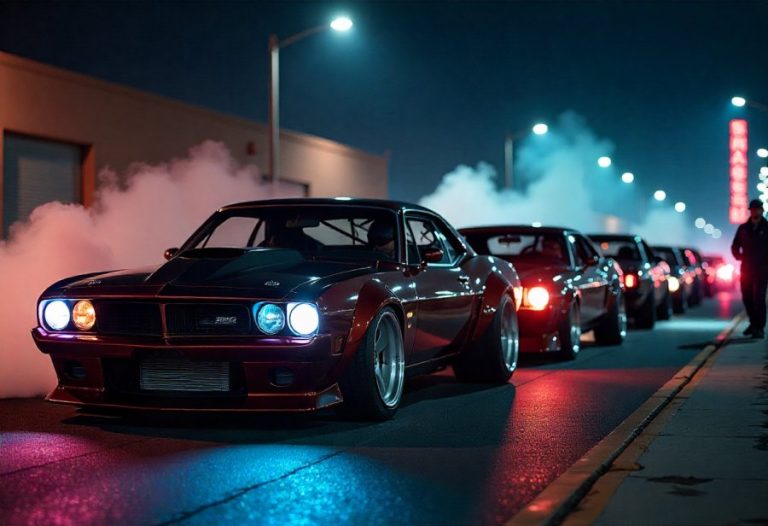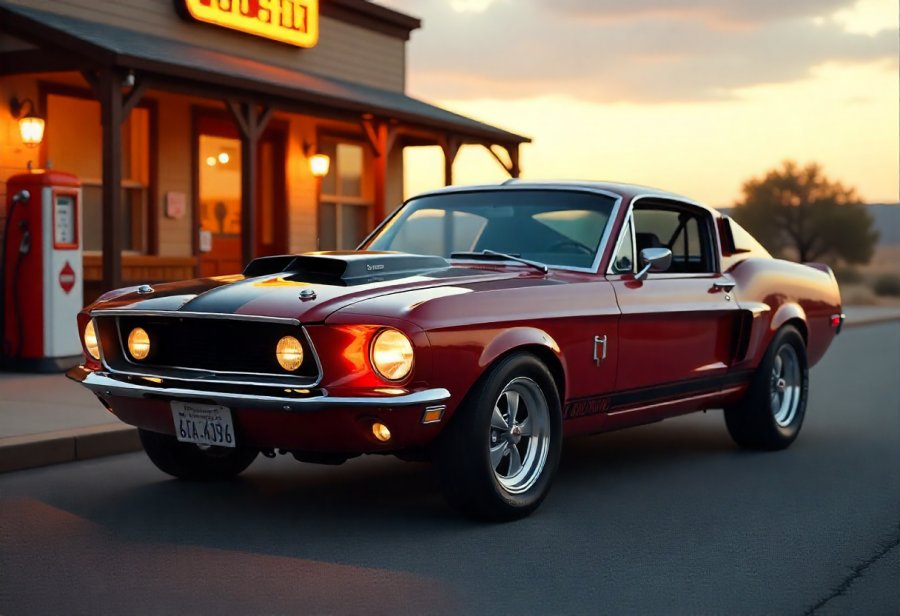
The Ford Mustang stands as a symbol of American muscle, freedom, and rebellion—an icon that has captivated drivers for over half a century. From its revolutionary debut in 1964 to today’s modern interpretations, the Mustang’s bold design and powerful performance have embodied the spirit of independence and innovation. Its evolution reflects a delicate balance between honoring a storied past and embracing technological advancements, including hybrid and electric options, to meet contemporary demands. As it adapts to changing tastes and greener realities, can the Mustang preserve its rebellious core while remaining relevant? Its cultural legacy, fueled by appearances in movies and music, continues to inspire new generations seeking speed, style, and a sense of freedom. The future promises exciting innovations without losing the essence that made it legendary—making the Mustang not just a car, but a living testament to American resilience and passion. Will it continue to lead the muscle car revival into a sustainable era?
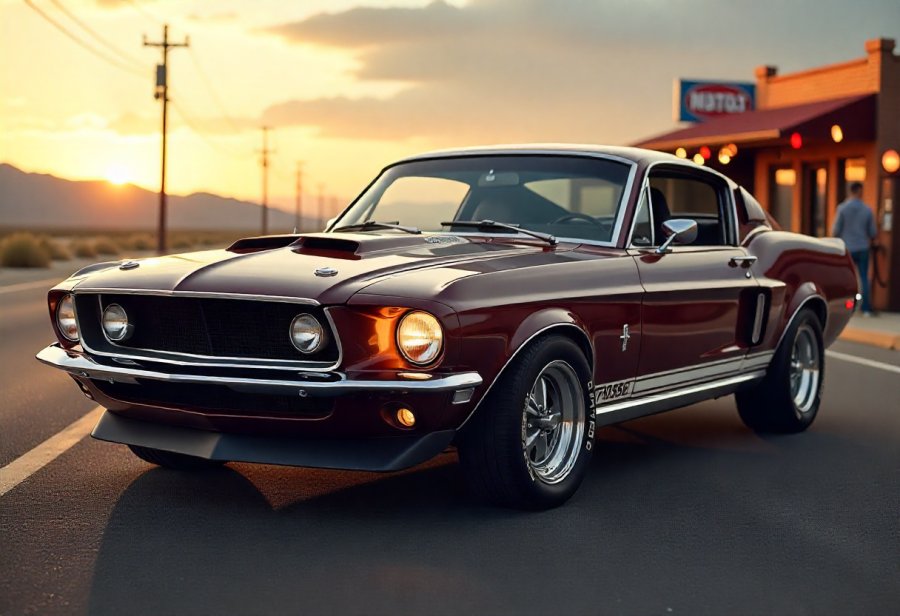
Unveiling the Mustang: An American Icon of Freedom and Rebellion
The Ford Mustang isn’t just a car; it’s a symbol that embodies the very spirit of American automotive culture. Since its debut in 1964, the Mustang has stood out as a true icon—representing freedom, rebellion, and performance all at once. Its bold design, combined with powerful engines and a deep cultural presence, has made it a favorite among enthusiasts and everyday drivers alike. The Mustang’s image is rooted in pushing boundaries and celebrating individualism, making it a timeless emblem of American ingenuity.
When it first arrived on the scene, the Mustang revolutionized what a muscle car could be. Its introduction marked the start of a new era in automotive history, blending sporty looks with affordability and practicality. Its distinctive long hood and short rear deck created an instantly recognizable silhouette that conveyed strength and speed. This design captured the imagination of a generation eager for adventure and the open road.
Over the decades, the Mustang has evolved through numerous redesigns, each reflecting the changing tastes and technological advances of its time. From the early pony cars to modern models equipped with turbocharged engines and advanced safety features, the Mustang has managed to stay true to its core identity. Special editions like the Shelby GT350 and Bullitt have added performance and style layers, deepening its status as a cultural and performance icon. These updates show how the Mustang continues to adapt without losing its rebellious spirit.
Beyond its technical specs, the Mustang’s influence extends into movies, music, and pop culture. It has starred in legendary films like *Bullitt* and *Gone in 60 Seconds*, symbolizing adventure and independence. Its presence in media has helped cement its place in the American consciousness, where it’s associated with the thrill of the ride and the pursuit of freedom. This cultural significance ensures the Mustang remains more than just a car—it’s a symbol of resilience and innovation.
At its core, the Mustang reflects American values—freedom, resilience, and a relentless pursuit of excellence. Its legacy is built on a history of pushing limits and inspiring generations to chase their dreams. Exploring its story reveals how it has become a cultural phenomenon that continues to inspire passion and admiration worldwide. The Mustang’s enduring appeal lies in its ability to evolve with the times while holding onto the rebellious, performance-driven spirit that made it legendary.
From Dream to Drive: The Origins and Evolution of the Mustang
The story of the Mustang begins in the early 1960s, a period marked by rapid innovation and changing tastes in American automotive design. Ford saw an opportunity to appeal to a younger audience craving sporty, affordable cars that could stand out on the road. The result was the Mustang, unveiled in 1964 at the New York World’s Fair. Its long hood, short rear deck, and muscular stance instantly set a new standard for muscle cars, capturing attention with a design that conveyed speed and agility.
From the start, Ford aimed to create a vehicle that appealed to a broad, youthful market. The Mustang’s sporty appearance promised performance, while its accessible price made it an attractive choice for young drivers eager to express their independence. Ford dubbed it a “pony car,” emphasizing its combination of sporty styling and affordability, which helped it become a cultural phenomenon almost overnight. This strategy turned the Mustang into a symbol of freedom and rebellion, resonating deeply with a generation looking to break free from convention.
As the years rolled on, the Mustang evolved through multiple redesigns, each reflecting the shifting preferences and technological advances of its era. The first-generation models maintained their performance focus with options like V8 engines, delivering impressive horsepower and a visceral driving experience. The mid-1970s brought challenges like rising fuel prices and insurance costs, prompting Ford to refine the design for better handling and fuel efficiency without sacrificing its muscular identity. These updates kept the Mustang relevant amid changing market conditions.
Performance variants such as the Shelby GT350 and Cobra pushed boundaries further, blending everyday usability with racing-inspired power. These models cemented the Mustang’s reputation as a high-performance icon, capable of delivering exhilarating speed and handling while maintaining its stylish appeal. The 1994 redesign marked a return to the classic proportions, modernizing the look while retaining the iconic silhouette that had defined the car from the beginning. This continuous evolution ensured the Mustang stayed true to its roots while adapting to new tastes.
Design elements have played a pivotal role in shaping the Mustang’s legacy. Its signature long, sculpted hood and short rear deck create an instantly recognizable profile that signals speed and strength. Features like the galloping pony emblem, racing stripes, and aggressive stance have remained consistent, linking each generation to its heritage. This thoughtful blend of tradition and innovation has helped the Mustang maintain its status as an American automotive icon, inspiring drivers across decades with its bold look and relentless performance.
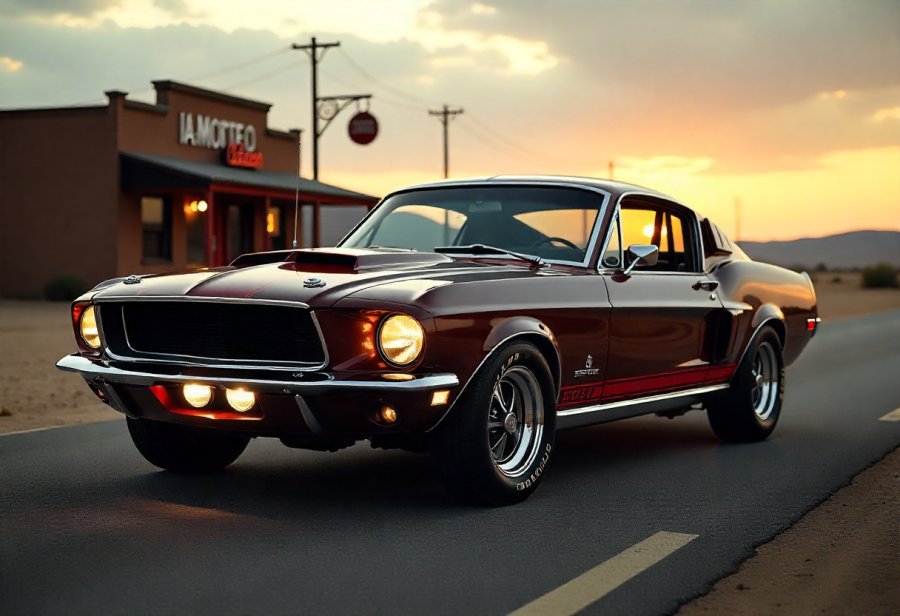
Modern Power and Innovation: The Contemporary Mustang Landscape
Today’s Ford Mustangs strike a perfect balance between honoring their legendary past and embracing modern innovation. Their sleek, aerodynamic bodies feature sharp lines and an aggressive stance that nod to vintage models while appealing to contemporary tastes. Under the hood, options range from fuel-efficient turbocharged four-cylinder engines to roaring V8s in high-performance variants like the Shelby GT500. This variety allows drivers to choose between everyday comfort and adrenaline-fueled thrill, broadening the car’s appeal across different audiences.
Modern Mustangs are packed with advanced technology designed to enhance safety, comfort, and driving enjoyment. Large touchscreens with intuitive infotainment systems, seamless smartphone integration, and premium audio setups keep drivers connected and entertained. Driver-assist features such as adaptive cruise control, lane keeping assist, and parking sensors add convenience and peace of mind. These innovations help the Mustang stay competitive in a market increasingly driven by smart tech, all while preserving its core identity of spirited performance.
The current lineup reflects how Ford continues to blend tradition with progress. The latest models retain the iconic long hood and muscular profile, ensuring visual continuity with past generations. Meanwhile, engineering improvements, including refined suspension systems and lightweight materials, deliver better handling and a smoother ride. Whether navigating city streets, winding roads, or open highways, drivers experience confident control without sacrificing the raw power that makes the Mustang special.
The muscle car revival is gaining momentum as more drivers seek high-performance vehicles that also offer modern comforts. The Mustang leads this movement, offering engines that deliver exhilarating speed alongside features that make everyday driving more manageable. Ford is also exploring hybrid and electric variants, recognizing the shift toward sustainability. These models aim to maintain the adrenaline rush of traditional muscle cars while reducing emissions, balancing performance with environmental responsibility.
Looking ahead, the future of the Mustang hinges on innovation that respects its roots. Ford is investing in electrification, aiming to produce hybrid and fully electric models that uphold the car’s performance legacy. Design and engineering advancements focus on smarter, safer, and more personalized driving experiences. This evolution promises that the Mustang will remain a symbol of American muscle and freedom—relevant and exciting in a greener, more connected automotive world.
A Symbol of Spirit: The Enduring Allure of the Mustang
The Ford Mustang’s lasting appeal lies in its ability to embody the very spirit of American automotive culture—raw power, bold design, and a sense of freedom that resonates across generations. Its iconic silhouette, characterized by a long hood and muscular stance, instantly signals performance and attitude. This visual identity isn’t just about looks; it’s a symbol of rebellion and independence, values deeply rooted in the American psyche. The Mustang has become more than a car; it’s a statement of living life on your own terms.
What sets the Mustang apart is its deep connection to American history and pop culture. From legendary films like *Bullitt* to countless music references, it’s cemented itself as a symbol of resilience, adventure, and individualism. These cultural moments have transformed the Mustang from a mere vehicle into a cultural icon, inspiring stories and dreams of freedom on the open road. This legacy keeps its legend alive, fueling passion among enthusiasts and new fans alike.
Muscle cars like the Mustang aren’t just about speed—they represent an attitude. Their aggressive styling and powerful V8 engines evoke a sense of strength and defiance, making them stand out as symbols of American innovation and daring. The distinctive design details—racing stripes, the galloping pony emblem, and sculpted lines—create an instantly recognizable profile that bridges past and present. These elements keep the Mustang relevant, continuously reinforcing its status as a cultural and automotive icon.
Beyond aesthetics and performance, the Mustang’s cultural significance is what truly makes it timeless. It embodies ideals of freedom, resilience, and pushing boundaries. Its presence in movies, music, and media has helped shape its legendary status, inspiring generations to chase their dreams and embrace independence. The car’s ability to evoke emotion and aspiration ensures its place in American history, not just as a mode of transportation but as a symbol of a rebellious spirit.
Ultimately, the Mustang’s enduring charm is rooted in its authenticity. It has consistently balanced tradition with innovation, maintaining its rebellious core while evolving with the times. This blend of heritage and modernity creates a magnetic pull that continues to inspire drivers worldwide. The Mustang isn’t just a car; it’s a living legend—an icon that captures the essence of American freedom and power, and that will undoubtedly continue to thrill for generations to come.
Looking Ahead: The Future of the Mustang and Its Legendary Legacy
The future of the Ford Mustang remains bright, as it continues to evolve while staying true to its roots as an American icon. Advances in hybrid and electric technology are opening new horizons for performance and sustainability, ensuring the Mustang stays relevant in a world increasingly focused on environmental responsibility. Ford’s commitment to innovation suggests upcoming models will blend the thrill of muscle cars with greener options, appealing to a new generation of drivers who value both power and eco-friendliness.
Despite these technological shifts, the Mustang’s iconic design language is likely to endure. Its long, sculpted hood, muscular stance, and signature styling cues serve as visual anchors that connect past to future. Engineering improvements, such as refined aerodynamics and lightweight materials, will enhance performance without sacrificing the bold aesthetic fans love. This seamless balance of tradition and innovation helps maintain its status as a cultural and automotive legend.
Performance has always been at the core of the Mustang’s appeal. From the early days of the 289 V8 to today’s high-performance Shelby GT500, each iteration has set a high bar for power and driving exhilaration. As electric and hybrid options develop, drivers can expect even more instant torque and seamless acceleration, elevating the driving experience to new heights. Ford’s focus on refining handling and responsiveness will ensure the Mustang continues to deliver thrilling rides whether on winding roads or straightaways.
Culturally, the Mustang’s role as a symbol of freedom and rebellion remains potent. Its appearances in movies, music, and media have helped cement its legendary status, inspiring countless fans to chase their dreams and embrace individuality. Moving forward, preserving this cultural connection will be vital. Ford’s efforts to maintain the Mustang’s rebellious spirit while integrating modern technology will help ensure it remains a relevant icon for generations to come.
The challenge ahead lies in harmonizing tradition with progress. As emissions standards tighten and environmental concerns grow, Ford faces the task of reimagining the Mustang without losing its essence. Introducing hybrid and electric models offers opportunities to attract eco-conscious consumers, but it requires careful engineering to preserve the raw, visceral thrill that defines the car. Success in this area will determine whether the Mustang can lead the muscle car revival in a greener world.
By embracing innovation and staying connected to its heritage, the Mustang is poised to remain a symbol of American power, resilience, and freedom. Its ongoing evolution reflects a commitment to pushing boundaries while honoring a storied past. The car’s capacity to adapt without losing its rebellious core ensures that it will continue to inspire and excite drivers worldwide.
The legacy of the Mustang is rooted in its ability to inspire passion and embody the American spirit. As it moves into the future, it will likely continue to be a canvas for technological breakthroughs and design refinement—all while maintaining its bold, unmistakable identity. The car’s story is far from over; it’s destined to remain a living legend, inspiring new generations to chase their dreams and live boldly.
In the end, the Mustang’s future is a testament to its enduring appeal—an icon that evolves with the times but never compromises its core values. It stands as a symbol of freedom, innovation, and resilience, ready to lead the way into a new era of performance and sustainability. The legend lives on, inspiring drivers and enthusiasts to dream bigger and drive faster, ensuring its place in automotive history for generations to come.
About the Author