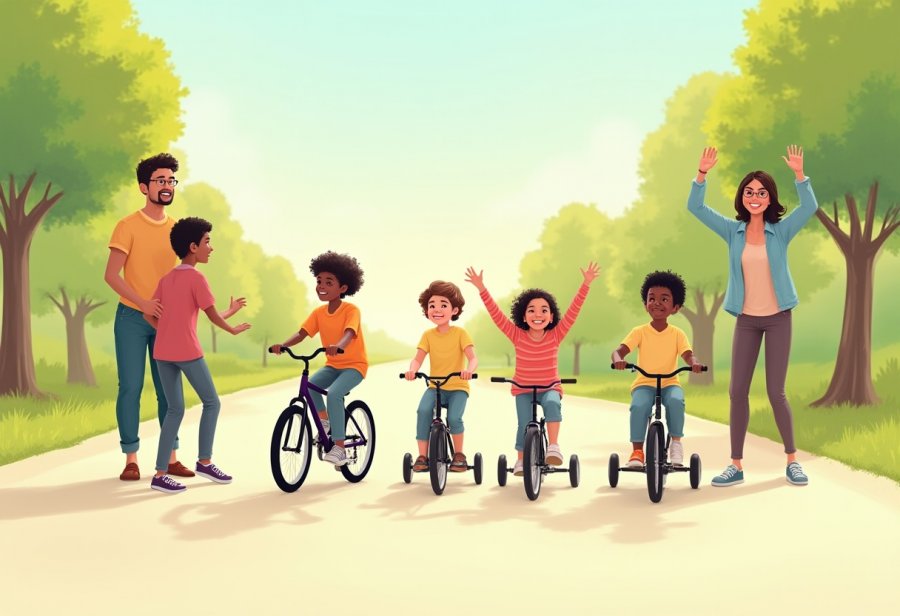
Learning to ride a bike is more than just a childhood milestone—it’s a profound journey of courage, trust, and resilience that shapes emotional growth. While the wobble of hesitant pedals sparks fear, it also opens the door to independence and confidence. Families play a pivotal role, turning falls into lessons and shared victories into lifelong bonds. But does the fear of falling outweigh the thrill of newfound freedom? This universal experience weaves cultural histories and personal stories, illustrating how overcoming hesitation on two wheels mirrors life’s broader challenges. As children wobble, tumble, and get back up, they learn that setbacks are stepping stones rather than failures, fostering patience and persistence. Learning to ride becomes a powerful metaphor for life: facing fears, trusting oneself and others, and embracing the journey of growth—questions remain: how much does support transform fear into confidence, and what lessons do these early struggles hold for future resilience?
Learning to Ride a Bike: A Milestone of Courage and Connection
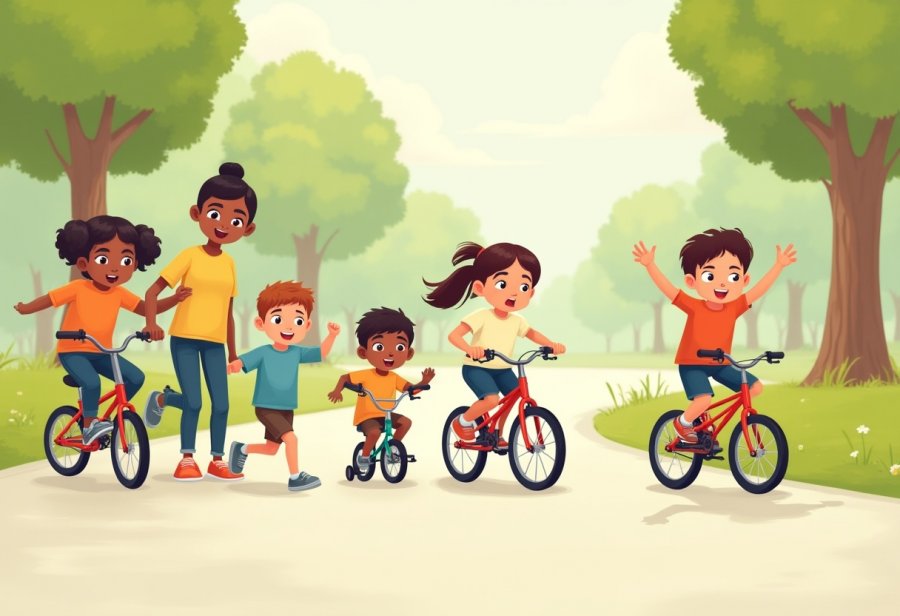
Learning to ride a bike is more than just a childhood skill—it’s a milestone packed with emotion, courage, and connection. For many kids, those first shaky pedal strokes symbolize stepping into independence, a moment when the world opens up just a little more. It’s a shared experience that families cherish, filled with nervous anticipation, laughter, and pride. Whether a parent gently holding the seat or siblings cheering from the sidelines, these moments turn a simple act into a powerful memory.
This process isn’t solely about physical coordination; it’s about emotional growth. Overcoming the fear of falling and trusting in their own abilities teaches children resilience and self-confidence. Every wobble and tumble becomes a lesson in perseverance, showing that setbacks are just part of the journey toward mastery. Family support amplifies this learning—encouraging, reassuring, and celebrating each small victory along the way.
The act of learning to ride a bike also deepens the bonds within a family. It’s a shared adventure where patience and encouragement take center stage. As children wobble, fall, and get back up, they realize they’re not alone. The collective effort—whether a steady hand or an approving smile—reinforces that growth is a team effort. These moments foster trust, resilience, and a sense of belonging that lasts well beyond childhood.
What makes this milestone so meaningful is its universal symbolism. Across cultures and generations, riding a bike represents more than just balance—it signifies courage, independence, and the willingness to face fears. It’s about pushing past hesitation, embracing risks, and discovering that support from loved ones can turn uncertainty into triumph. These lessons in bravery and trust are lessons for life, learned quietly on two wheels but resonating deeply.
Learning to ride a bike captures the essence of childhood: a mix of vulnerability and adventure. It reminds us that bravery isn’t about the absence of fear but about moving forward despite it. Every pedal forward, every fall, and every recovery highlight resilience and the importance of support. These early experiences shape not just confident cyclists but resilient individuals ready to tackle life’s many challenges.
The emotional significance goes beyond the physical skill. It’s about building trust—trust in oneself and in others—that forms the foundation for future growth. When children realize they can get back up after a fall, they start to see setbacks as opportunities, not failures. This mindset fosters patience and persistence, qualities that will serve them in all areas of life.
Watching a child take that first unsteady ride is witnessing a universal story of courage and support. It’s a moment of pure joy, marked by wobbling steps and triumphant smiles. The shared effort—whether holding the bike steady or cheering from afar—creates bonds that last a lifetime. These are the stories of growth, love, and trust that define childhood and shape the adults they will become.
The Cultural Roots and Global Significance of Biking
Learning to ride a bike is a tradition that stretches across cultures and generations, symbolizing much more than just physical skill. For many, it marks a rite of passage—an entry into independence, self-reliance, and adventure. In the 19th century, bicycles revolutionized mobility, transforming childhood from confined play to active exploration. This shift made riding a universal milestone, representing a step toward personal growth and discovery.
Different societies have their own unique take on this milestone. In many communities, families gather in quiet streets or parks, supporting children as they learn, emphasizing collective pride and shared achievement. In rural areas where bicycles often serve as primary transportation, learning to ride can feel like a brave act—an essential step toward self-sufficiency. These cultural nuances highlight how riding a bike embodies values like resilience, support, and courage, beyond the simple act of balancing on two wheels.
The bicycle’s significance extends well beyond childhood. Inventors like Karl Drais, who created the Laufmaschine in 1817, set the stage for a symbol of progress and innovation. Over time, bicycles became associated with perseverance, featuring prominently in early races, social movements, and even revolutions of thought. These stories reinforce how learning to ride connects to broader themes of experimentation, societal change, and personal determination.
Globally, bikes often stand for freedom—the ability to explore beyond immediate surroundings and carve out personal space. In rural communities, a bike isn’t just a mode of transport; it’s a symbol of bravery and independence, often representing a child’s leap into self-reliance. Whether wobbling for the first time or confidently cruising down the street, these moments echo shared ideals of growth, exploration, and trust in oneself.
Looking at the cultural history of bike riding, it’s clear that this milestone is a universal language of progress. It embodies curiosity and the desire to push boundaries. The act of learning to ride weaves a collective story—one that crosses time and geography—highlighting resilience, support, and the courage to face the unknown. From humble beginnings to global movements, riding a bike remains a powerful symbol of human potential and growth.
Psychological and Social Lessons Embedded in Riding
Learning to ride a bike is as much a journey through emotions and mindsets as it is a physical skill. At its core, this milestone introduces children to the idea that overcoming fears is an integral part of growth. The initial hesitation and worry about falling are natural, but they also serve as valuable opportunities for children to develop resilience. As they practice, they learn that setbacks—like wobbling or tumbling—are temporary and part of the learning process. This understanding fosters patience and confidence that extend well beyond bikes and into everyday challenges.
Trust plays a central role in this experience. When children lean on supportive family members—whether a parent steadying the seat or a sibling offering encouragement—they begin to see that trusting others can bolster their trust in themselves. Positive reinforcement during this time helps children feel a sense of achievement, reinforcing the idea that effort and support lead to progress. Celebrating small milestones, like balancing briefly or pedaling a few meters, fuels their belief that persistence pays off.
The emotional journey also involves managing fear. Kids often want independence but worry about falling. Supporting them through this tension teaches that fear isn’t something to avoid but something to navigate. When children realize they can fall and get back up, they develop a growth mindset—seeing setbacks as part of the process rather than failures. This resilience becomes a foundation for tackling future challenges with courage and patience.
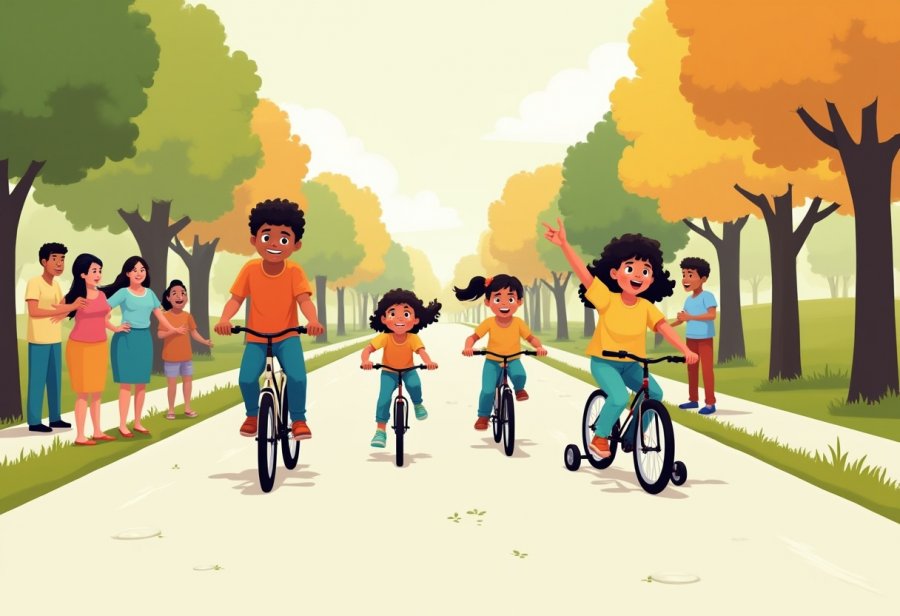
Socially, learning to ride fosters a sense of belonging. Family members and peers who cheer and encourage create a safe space for kids to experiment and learn. These moments of collective effort deepen emotional bonds, showing children that success isn’t just personal but rooted in support and encouragement. Through shared experiences, children learn that perseverance and patience are valued virtues within their community.
Trust, resilience, and social support are intertwined, shaping a child’s confidence and independence. As mastery grows, kids start to see themselves as capable and brave. They learn that confidence isn’t innate but built through repeated effort and reassurance. This realization helps them approach new challenges with a positive outlook, knowing that setbacks are just part of the journey toward growth.
The lessons learned during this process extend far beyond childhood. Kids come to understand that bravery involves risk, but persistence and support can turn fears into triumphs. These early experiences in resilience and trust lay the groundwork for future success, teaching that effort and patience are essential ingredients for overcoming obstacles. Each wobble and fall becomes a stepping stone toward greater confidence.
In the end, learning to ride a bike is a powerful metaphor for life’s bigger lessons. It shows that courage isn’t the absence of fear but the willingness to move forward despite it. When children trust in their abilities and the support around them, they learn that setbacks are just parts of the process—moments that build resilience and character. These insights stay with them, shaping how they face challenges with confidence, joy, and an open heart.
Practical Strategies for Teaching Safe and Confident Cycling
Teaching children to ride a bike effectively and safely relies on a mix of patience, encouragement, and practical strategies. Choosing a calm, flat environment like a park or quiet driveway gives kids space to focus without feeling overwhelmed by traffic or uneven terrain. Starting with balance bikes or training wheels helps young riders develop coordination gradually, making the leap to a two-wheeled bike less intimidating. These tools act as stepping stones, building confidence and easing the transition from wobbling to smooth pedaling.
When children are ready to go solo, having a steady, supportive presence nearby makes a big difference. Instead of gripping tightly or overcorrecting, offering gentle touches or encouraging words helps them trust their own abilities. Wearing proper safety gear like helmets and pads isn’t just about protection; it reinforces a safety-first mindset that kids carry into every ride. Celebrating small successes, like balancing for a few seconds or pedaling a short distance, keeps motivation high and turns learning into a positive experience.
Family involvement transforms bike lessons into meaningful bonding moments. Whether a parent holds the bike steady during those initial shaky starts or siblings cheer from the sidelines, this support boosts confidence and makes the process enjoyable. Patience is key—letting kids try at their own pace, without pressure, encourages persistence. Reminding them that falling is part of learning normalizes setbacks and helps them see mistakes as opportunities to improve, not failures.
Breaking the process into manageable stages makes progress feel achievable. Starting with sitting on the bike, then practicing balancing, and finally supporting pedaling creates a clear path forward. Each small step builds on the last, helping kids feel a sense of accomplishment and reducing frustration. Keeping the lessons fun and relaxed prevents stress and fosters a love for riding, turning what could be a challenge into an exciting adventure.
Supporting children emotionally involves more than physical guidance. A calm, encouraging attitude reassures them after falls and setbacks. Highlighting their small victories—like maintaining balance or riding a few meters—reinforces their belief in their abilities. These moments serve as milestones, making the journey rewarding and helping them develop resilience. When children feel supported and confident, they’re more likely to keep trying and eventually master their bike.
Using the right tools and resources can make learning smoother. Quality safety gear fits better and provides peace of mind, while adjustable bikes and training wheels grow with the child, preventing discomfort. Educational videos, books, or simple guides offer additional motivation and understanding. Creating a supportive environment where effort is celebrated helps children embrace each ride, turning initial struggles into lasting confidence. With patience, support, and the right approach, teaching a child to ride becomes a rewarding experience that sets the foundation for a lifetime of safe, joyful cycling.
Reflections on Growth, Resilience, and the Lifelong Impact of Learning to Ride
Learning to ride a bike is more than just acquiring a new skill; it’s a pivotal moment that shapes emotional resilience and personal growth. The process of overcoming fears, trusting oneself, and celebrating small victories teaches children that they are capable of more than they might initially believe. These lessons of perseverance and confidence reach far beyond childhood, laying a foundation that helps them face future challenges with bravery and patience.
Family support plays a vital role in transforming this milestone into a meaningful experience. When loved ones cheer, encourage, and gently guide, they turn a potentially intimidating task into a shared achievement. These moments of collective effort deepen emotional bonds, creating memories that last a lifetime. The pride children feel when they ride independently for the first time is amplified by knowing they had a team backing them every step of the way.
Learning to ride a bike also symbolizes a transition from dependence to independence. It’s about trying despite wobbling, falling, and getting back up. Each wobble and tumble becomes part of a larger lesson—that setbacks are not failures but essential steps toward growth. This understanding fosters a growth mindset—an outlook that encourages persistence, patience, and resilience—values that serve children well in all areas of life.
The emotional growth experienced during this journey teaches children to see fear not as something to avoid but as a natural part of progress. When they realize that falling is just a temporary hurdle rather than an end, they develop the confidence to keep trying. Supporting this mindset, caregivers remind children that setbacks are normal and that effort and support are what lead to success. These lessons in resilience and trust become lifelong tools, empowering kids to embrace new challenges with optimism.
In the end, the act of learning to ride a bike is a powerful metaphor for life itself—an adventure filled with risks, rewards, and shared joy. It teaches that bravery isn’t about being fearless but about moving forward despite fears. With patience, persistence, and the support of loved ones, children learn that setbacks are simply part of the journey toward independence. These early lessons in resilience and trust shape their outlook, helping them face future obstacles with confidence, joy, and an open heart.
About the Author