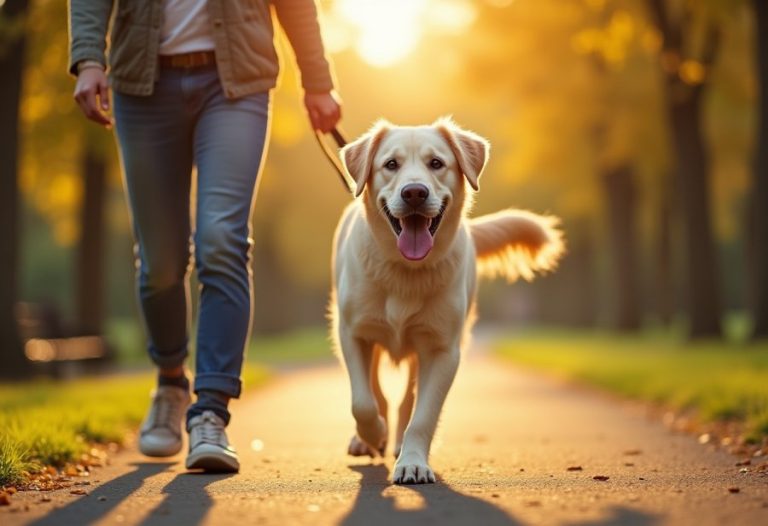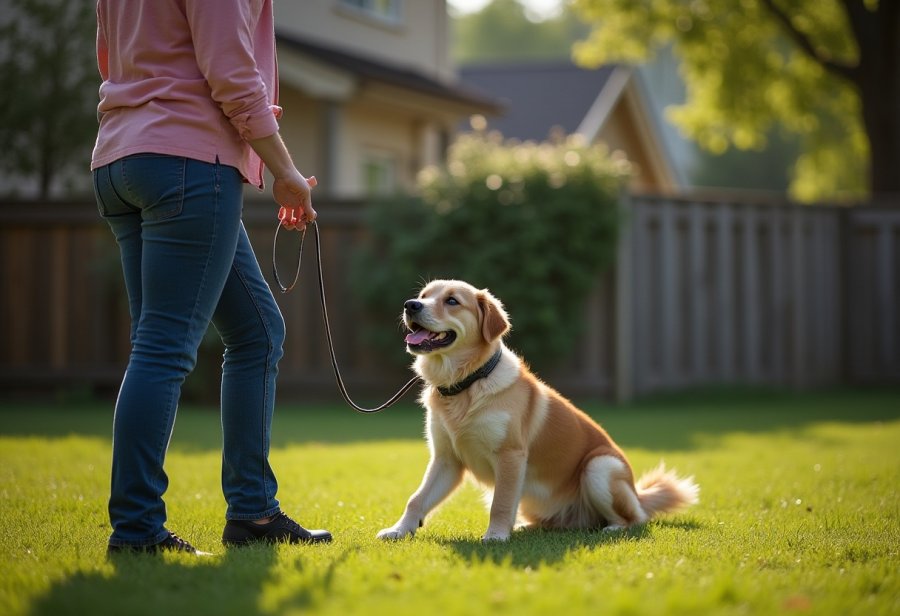
Mastering the art of walking calmly with your dog transforms everyday outings into peaceful, bonding moments. Imagine a serene scene where a well-trained pup walks confidently at your side, eyes focused and posture relaxed—yet achieving this harmony requires patience, consistency, and understanding canine communication. Are you ready to unlock this rewarding connection? This guide reveals how clear cues, positive reinforcement, and suitable equipment like harnesses foster trust and cooperation. It emphasizes that while setbacks are natural, gentle redirection and gradual exposure to distractions cultivate resilience and focus. Training isn’t just about obedience; it’s about building a mutual bond rooted in respect and confidence. Whether you’re tackling pulling, distractions, or anxiety, strategic steps and a calm attitude will lead to calmer, happier walks. Can your daily routine become a shared success, turning every walk into a lasting testament to your partnership—one step closer to harmony?
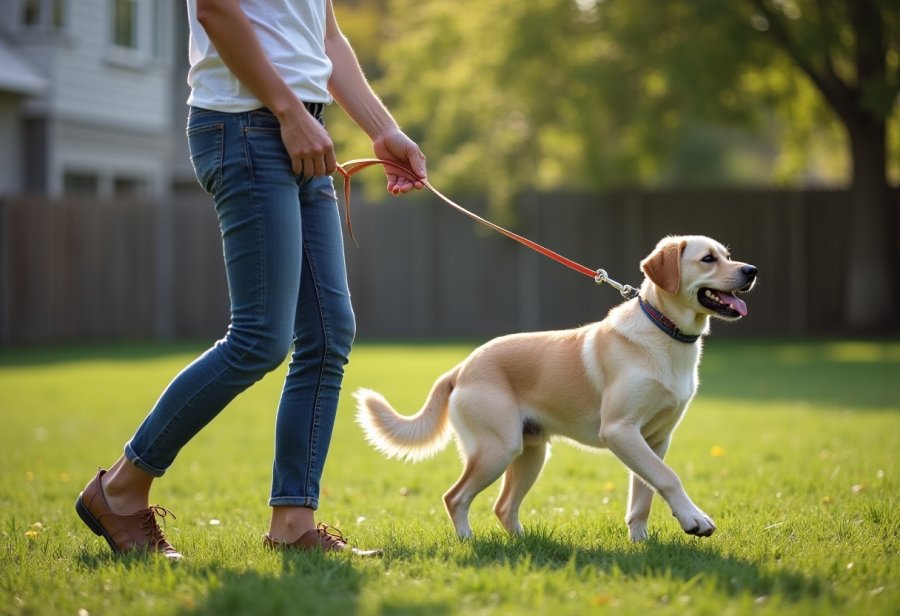
Mastering Calm Dog Walking: Building Trust and Enjoyment
Walking calmly with your dog might seem straightforward, but it’s actually one of the most valuable skills you can develop as a pet owner. A relaxed, controlled walk isn’t just more enjoyable—it’s a foundation for building trust and strengthening your bond. When your dog learns to stay calm and focused by your side, each outing becomes a shared moment rather than a stressful chore. This sense of calm reassures your dog, helping to reduce anxiety and making walks safer and more pleasant for both of you.
Mastering peaceful leash walking takes patience and consistency, but the rewards are worth the effort. A well-trained dog that walks politely is less likely to pull, lunge, or get distracted, which means every walk becomes more predictable and enjoyable. These calm outings can also prevent behavioral issues down the line and deepen your connection through mutual respect. When routines are clear and your dog understands what’s expected, both of you feel more confident and relaxed during your daily walks.
This guide will introduce practical techniques to help you achieve that calmness on leash. You’ll learn how clear commands, body language, and suitable equipment work together to make walks smoother. Building trust is essential—your dog needs to feel safe and confident in your guidance. Positive reinforcement plays a key role, encouraging your dog to respond calmly and focus on you. With time and practice, walking together will become a natural, enjoyable part of your relationship, turning everyday outings into moments of connection and mutual understanding.
Understanding Dog Behavior: The Foundations of Training
Understanding how dogs communicate is key to teaching them to walk calmly. Dogs primarily rely on body language and instinctive reactions to interpret their surroundings. Recognizing signs of excitement, stress, or distraction—like wagging tails, stiff postures, or darting eyes—can help you respond before behaviors like pulling or lunging escalate. When you tune into these signals, training becomes more effective and less frustrating, since you can address issues early and gently.
Positive reinforcement remains the foundation of modern dog training. Instead of punishing unwanted behaviors, rewarding calm and desirable actions encourages your dog to repeat them. Consistent cues, routines, and rewards create a predictable environment that fosters trust and cooperation. Using simple commands like “heel” or “let’s go,” paired with calm body language, helps your dog understand what you expect and feel secure in your guidance.
Training with kindness and clarity promotes a relaxed posture, steady eye contact, and deliberate movements. These signals communicate confidence and calmness, encouraging your dog to mirror your demeanor. When your dog picks up on these cues, they tend to respond more willingly, making walks smoother and more enjoyable for both of you. This approach shifts the focus from correction to partnership, strengthening your bond.
The shift from harsh corrections to gentle, reward-based methods reflects a deeper understanding of canine psychology. Dogs learn best when they feel safe and confident, not fearful or overwhelmed. Tools like front-clip harnesses or long lines support this by providing better control without discomfort, reducing pulling and distractions naturally.
Every dog has a unique temperament and learning pace. Some pick up cues quickly, while others need more patience and repetition. Adjusting your approach to suit your dog’s personality keeps training positive and effective, ensuring progress over time. Recognizing individual differences helps maintain motivation and builds a foundation for calm, confident leash walking.
Building trust is essential. Dogs need to feel secure in your guidance for them to respond calmly. Consistent praise, gentle redirection, and patience reinforce this trust, making training sessions more productive. When your dog feels safe and understood, they’re more responsive and eager to focus, turning walks into shared moments of connection.
Using appropriate equipment, such as front-clip harnesses or head halters, can support this process by helping reduce pulling and distractions. These tools are simple yet effective, making it easier to maintain control without causing discomfort. They complement your training efforts, encouraging your dog to stay close and respond to cues naturally.
Remember, each dog learns at their own pace. Some require more time, patience, and gentle encouragement to master calm walking. Ongoing education, support from trainers, or behaviorists can provide valuable guidance tailored to your dog’s needs. With patience and a positive approach, you’ll lay a solid foundation for relaxed, confident walks that deepen your bond with every step.
Key Components of Calm Leash Walking: Techniques and Tools
Calm walking with your dog depends on several key components working together seamlessly. Clear commands like “heel” or “let’s go” provide your dog with specific signals about expected behavior. Consistent use of these cues helps your dog understand that staying close and relaxed is the goal, creating a predictable routine that encourages good habits. Pairing these commands with calm, deliberate body language—such as steady posture and gentle eye contact—reinforces your leadership and promotes a relaxed demeanor in your dog.
Choosing the right equipment can significantly support your training efforts. Front-clip harnesses or head halters help reduce pulling without causing discomfort, giving you better control and making walks more comfortable for your dog. When your tools and cues align, your dog is more likely to respond calmly, turning walks into cooperative, shared experiences rather than battles of control.
Positive reinforcement remains central. Immediately rewarding your dog for calm responses or close attention—using treats, praise, or a gentle tone—helps them associate good behavior with positive outcomes. Keeping your energy steady and your posture relaxed encourages your dog to mirror your calm attitude, making the training process smoother and more natural.
Handling common challenges like pulling or distractions requires patience and consistency. When your dog pulls ahead, pausing briefly and redirecting their focus with a cue or treat teaches them that staying by your side is more rewarding. Gradually introducing more distractions during walks helps your dog learn to stay attentive in different environments, building resilience and focus over time.
Every dog responds differently based on temperament and past experiences. Some learn cues quickly, others need more repetition and gentle encouragement. Tailoring your approach to your dog’s personality keeps training positive and effective, fostering steady progress and confidence.
Building trust is crucial. When your dog feels safe and confident in your guidance, they’re more likely to respond calmly and focus on you. Consistent praise, gentle redirection, and patience strengthen this trust, transforming walks into moments of connection rather than stress.
By integrating clear cues, appropriate gear, positive reinforcement, and patience, you create a foundation for calm, confident leash walking. When these elements come together, your dog not only learns to walk politely but also deepens your bond, turning everyday outings into shared successes.
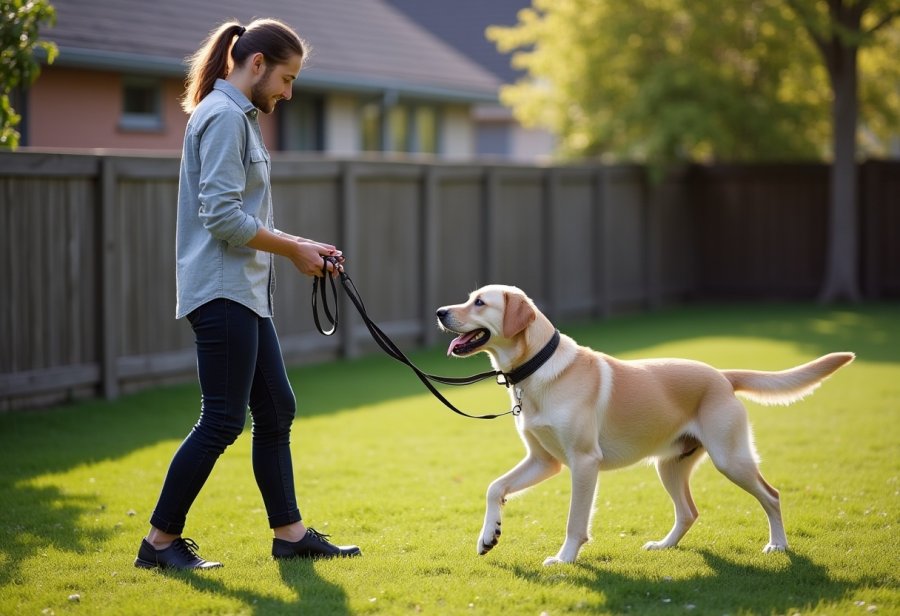
Applying Training Principles in Daily Walks: Practical Tips for Success
Applying training principles during your daily walks turns good habits into consistent routines and makes a real difference. Start each walk with a quick review of commands like “heel” or “let’s go,” rewarding your dog immediately when they respond correctly. Using treats, praise, or a calm voice reinforces that staying close and responding calmly is always worthwhile. Keep your leash loose, your posture relaxed, and your energy steady—your dog will pick up on your confidence and stay more focused.
As your dog becomes more comfortable with basic commands, gradually introduce distractions such as passing cars, other dogs, or busy streets. Reward calm focus whenever they stay attentive to you, redirecting gently if they pull or get distracted. Short, frequent training sessions help reinforce good behavior without overwhelming your dog, and consistent practice turns these lessons into natural habits. Over time, increasing walk distances and exploring new environments like parks or neighborhoods keeps training fresh and effective.
Using treats and praise as your main motivators makes a noticeable difference. Small, tempting treats paired with gentle encouragement help your dog understand what you expect. This positive feedback creates a natural response, encouraging calmness and focus even in more challenging settings. Remember, setbacks are part of learning. Gently redirect and praise small wins to keep motivation high and frustration low.
Incorporate variety into your routine by practicing in different environments. Whether in quiet streets or lively parks, exposure to diverse surroundings helps your dog learn to stay calm and attentive no matter where you are. Keep training sessions brief but regular, always ending on a successful note. These small, consistent efforts will turn walks into enjoyable bonding moments, strengthening your connection and making every outing a shared achievement.
Investing in Your Dog’s Calmness: Equipment and Professional Support
Training your dog to walk calmly often requires an initial investment in both equipment and, occasionally, professional support. The most common tools include front-clip harnesses or head halters, which help control pulling without causing discomfort. These accessories typically range from $15 to $50, depending on quality and brand. Investing in the right gear can make a noticeable difference, transforming frustrating walks into manageable, even enjoyable, experiences for both of you.
Hiring a professional trainer or enrolling in structured classes can accelerate progress, especially if your dog pulls persist or becomes easily distracted. Prices usually start around $50 per session and can go higher for comprehensive packages. While this represents a higher upfront cost, many owners find that expert guidance shortens the learning curve, reduces frustration, and boosts confidence in handling their dog. Over time, these investments often pay off through calmer walks and a stronger bond.
It’s worth viewing these expenses as a foundation for long-term benefits. Better equipment supports training by encouraging your dog to stay close and respond to cues naturally, while professional help tailors strategies to your dog’s unique temperament. Although it might seem like a significant outlay initially, the improved behavior and reduced stress make it a worthwhile investment in your pet’s happiness and your shared quality of life.
For those mindful of budget, affordable alternatives exist. Budget-friendly training aids are widely available at pet stores, and online resources like videos, apps, or ebooks offer valuable guidance without breaking the bank. Community groups and local shelters often host low-cost or free training sessions, providing accessible options to stay consistent with your efforts.
Remember, the goal isn’t to overspend but to choose quality tools and support that genuinely enhance your training process. The right harness or a few private lessons can dramatically improve your success rate. With the proper equipment and expert advice, training becomes more manageable, making every penny spent worthwhile.
Focus on what truly supports your progress rather than unnecessary expenses. Prioritize durable, comfortable gear that suits your dog’s size and behavior. Consistency and patience are the real investments, and the right tools simply make your journey smoother. This approach ensures your training remains effective and your walks stay peaceful.
In the end, these costs should be seen as stepping stones toward a calmer, more confident dog. They help create a stable foundation for ongoing training, which leads to fewer behavioral issues and more enjoyable outings. When equipped properly and supported by expert guidance, your efforts will pay off with relaxed, joyful walks that deepen your bond.
Creating a Training Plan: Steps to Lasting Success
Creating a clear, structured plan for ongoing training helps turn good habits into lasting routines. Start by setting small, achievable goals each week—whether it’s practicing the “heel” command or reinforcing calm behavior during walks. These manageable targets build your dog’s confidence and prevent you from feeling overwhelmed. Consistency is key, so aim to practice at the same times each day, helping your dog anticipate and respond to cues reliably.
Gradually introduce new challenges as your dog masters the basics. Increase walk distances, add distractions like passing cars or other dogs, and explore different environments such as parks or busy streets. This variety not only keeps training engaging but also prepares your dog to stay calm in real-world situations. Tracking progress—whether with a journal or an app—can highlight what’s working and where to adjust, making your efforts more effective.
Patience remains essential. Recognize that training is a process, not an instant fix. Celebrate small wins and stay calm through setbacks. Dogs need time to absorb new cues, so stick with gentle redirection and positive reinforcement. Keep sessions short and upbeat, ending on a high note to foster eagerness for the next walk.
Flexibility is vital. If something isn’t working, tweak your approach rather than forcing progress. Exposing your dog to different environments gradually strengthens their focus and resilience. Regular review of your goals helps maintain motivation and ensures your training stays aligned with your dog’s needs.
Remember, consistency and patience are your best tools. A well-planned routine will gradually instill calm, confident behaviors that last. As your dog becomes more reliable, daily walks transform from stressful to enjoyable shared moments. This ongoing effort deepens your bond and makes every walk a step toward a more harmonious relationship.
Overcoming Challenges: Handling Setbacks and Building Confidence
Training a dog to walk calmly doesn’t always go perfectly, and setbacks are a normal part of the process. One common challenge is pulling on the leash, often driven by curiosity or excitement. When this happens, pausing briefly and gently redirecting your dog’s attention with a cue or treat teaches that pulling doesn’t get results. Staying calm and steady during these moments is key; reacting with frustration or harsh corrections usually makes things worse.
Distractions like other dogs, squirrels, or loud noises can also throw your dog off balance. Introducing these stimuli gradually and rewarding focus helps your dog learn that staying attentive to you is more rewarding than chasing every sight or sound. If your dog becomes restless or overwhelmed, slowing down, giving them a break, or choosing quieter routes can reduce stress and build confidence.
Some dogs respond with reactive behaviors or become anxious in busy settings. Recognizing early signs of stress allows you to adjust your approach—whether that’s taking a step back, slowing the pace, or providing a calming pause. Consistent redirection and patience transform these challenges into opportunities for growth, strengthening your bond in the process.
Expect setbacks—they’re part of learning. When your dog pulls or gets distracted, avoid punishment. Instead, gently redirect and reward small successes. This steady approach turns frustrations into progress, making training feel more like teamwork rather than a battle.
If persistent issues continue, consider consulting a professional trainer. An expert can assess your dog’s specific needs and suggest tailored strategies that might be more effective. With patience, persistence, and a calm attitude, most obstacles can be overcome, leading to more relaxed, enjoyable walks for both of you.
About the Author