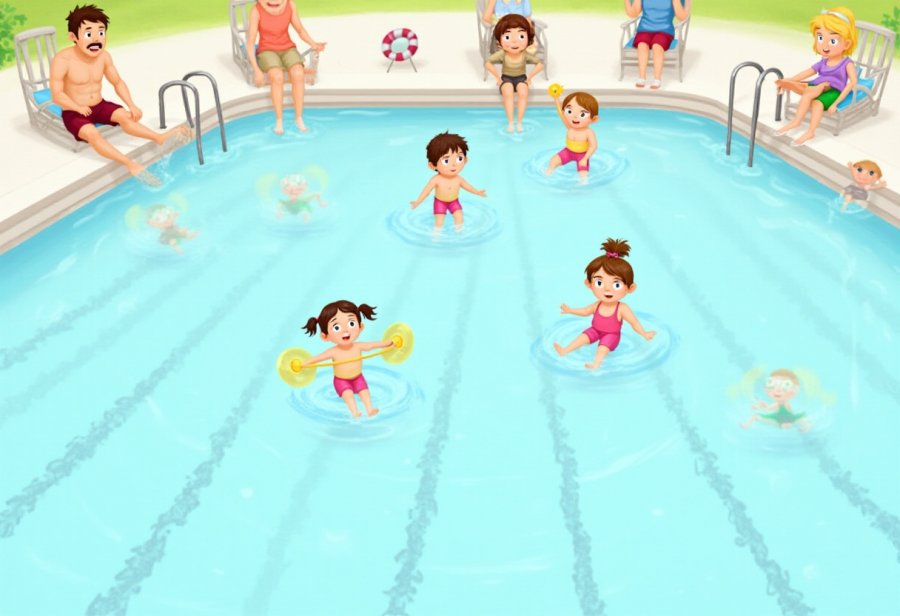
What if the greatest obstacle to learning to swim isn’t the water itself but the fear of taking that first courageous step? This inspiring journey reveals how water can transition from a source of anxiety to a space of confidence and freedom at any age. From nervous beginners clutching floaties to adults overcoming lifelong fears, each small victory builds trust, safety, and joy in the water. The process emphasizes patience, gradual skill-building, and practical techniques like breathing exercises, floating, and support tools that foster mastery and independence. Beyond safety, learning to swim unlocks lifelong opportunities for recreation, social connection, and physical health, transforming water from a danger into a playground of endless possibilities. As innovative technologies and inclusive initiatives shape the future of water confidence, the question remains: are you ready to take that first step toward a world where water no longer holds you back?
Transform Your Life: The Power of Learning to Swim
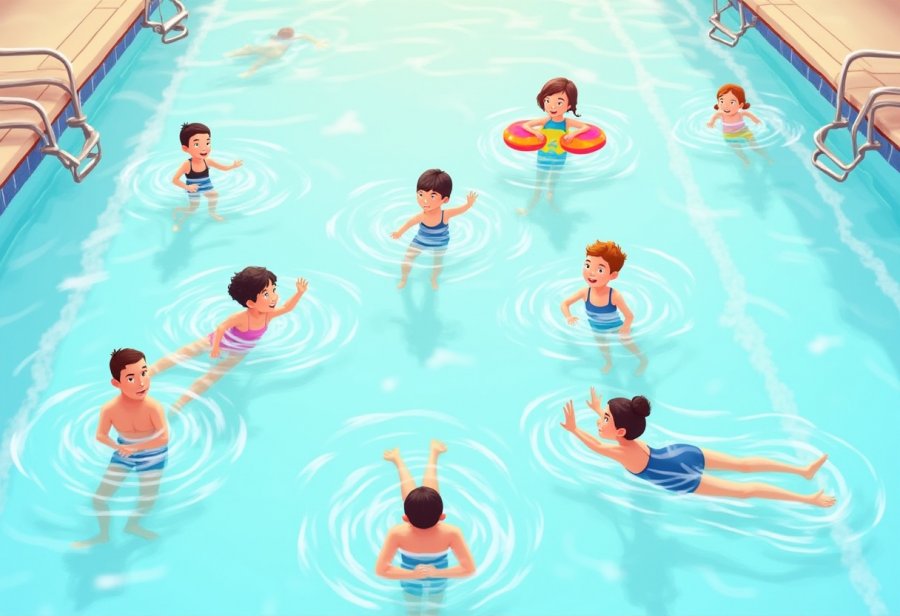
Learning to swim is about more than just acquiring a new skill; it’s a transformative experience that can reshape how you see water—and yourself. For many, water initially feels intimidating or even frightening. Taking that first plunge, however, opens the door to confidence and freedom that last a lifetime. Whether you’re a child nervously dipping toes into the shallow end or an adult facing long-held fears, the journey begins with small, manageable steps that gradually build trust and comfort.
This process is accessible to everyone, regardless of age or experience. It starts with simple techniques like breathing exercises and floating, which help you get used to being in the water and overcome initial nerves. These early moments are crucial, creating a sense of safety and laying the foundation for all subsequent skills. As you progress, each new step, from blowing bubbles to floating on your back, reinforces your confidence and makes you feel more in control.
What makes learning to swim so powerful is that it goes beyond safety. It unlocks a sense of independence and joy that stays with you long after leaving the pool. Mastering water skills means you can enjoy beach trips, pool parties, and water sports without hesitation. It transforms water from a source of fear into a space of relaxation and fun, fostering social connections and a sense of achievement.
Throughout this journey, patience and persistence are key. Progress might be slow at times, but every small victory—like staying afloat a little longer or breathing more calmly—is a sign of growth. With the right guidance and a positive attitude, water becomes a welcoming environment rather than a threat. This shift can be truly empowering, opening up new possibilities for adventure and recreation at any age.
Learning to swim also establishes lifelong safety skills. Knowing how to handle yourself in water reduces panic during unexpected situations and can prevent accidents. For parents, teaching children to swim is one of the most effective ways to protect them around water, turning what can be a dangerous environment into a safe space for exploration.
Ultimately, the act of learning to swim marks a journey from hesitation to confidence. It’s never too late to start, and each step forward—whether floating a little longer or taking your first strokes—adds to a profound sense of achievement. Water, once intimidating, becomes a place of freedom, joy, and endless opportunity for growth.
Master the Stages of Swimming: A Guide to Progress at Any Age
Learning to swim unfolds through a series of natural stages that anyone can follow, regardless of age or experience. It begins with building water confidence—getting comfortable in shallow water, learning how to breathe properly, and familiarizing yourself with the sensation of being submerged. This initial phase helps ease nerves and establishes a sense of safety, which is essential for progressing further.
Once you feel secure, the focus shifts to mastering basic techniques such as floating on your back or stomach. These foundational skills teach your body how to interact with water and foster trust in your own abilities. Using support tools like kickboards or floatation devices can make these early steps smoother, allowing you to concentrate on technique without feeling overwhelmed. Breaking skills into small, manageable parts encourages steady progress and prevents frustration.
As confidence grows, you can start combining movements—coordinating your breathing with strokes and refining your overall technique. Guided lessons or structured practice sessions help correct bad habits early on, making your progress more efficient. Patience is key; everyone learns at their own pace, and rushing can lead to setbacks. Listening to your body and respecting your limits fosters safer, more confident learning.
Practicing controlled exhalation underwater is another vital step. Blowing bubbles helps you get comfortable with exhaling while submerged, reducing panic and conserving energy. Developing this habit early makes longer swims and deeper water more approachable. Consistency is more important than intensity; short, focused sessions are more effective than sporadic, lengthy practice.
Safety remains a priority throughout your learning journey. Always practice in shallow water where you can stand comfortably, and never swim alone. Using safety gear like goggles can improve visibility and confidence, while having a buddy or instructor nearby provides reassurance and guidance. Celebrating small victories along the way, such as floating longer or breathing more easily, reinforces your progress and boosts motivation.
Age shouldn’t be a barrier—every stage of learning can be approached with patience and persistence. Visualizing success and maintaining a positive attitude turn water from a source of anxiety into a space of mastery. Each small step builds toward a natural, instinctive feel for swimming, transforming fear into confidence and making water safety an achievable goal for everyone.
Practical Techniques to Build Water Confidence and Skills
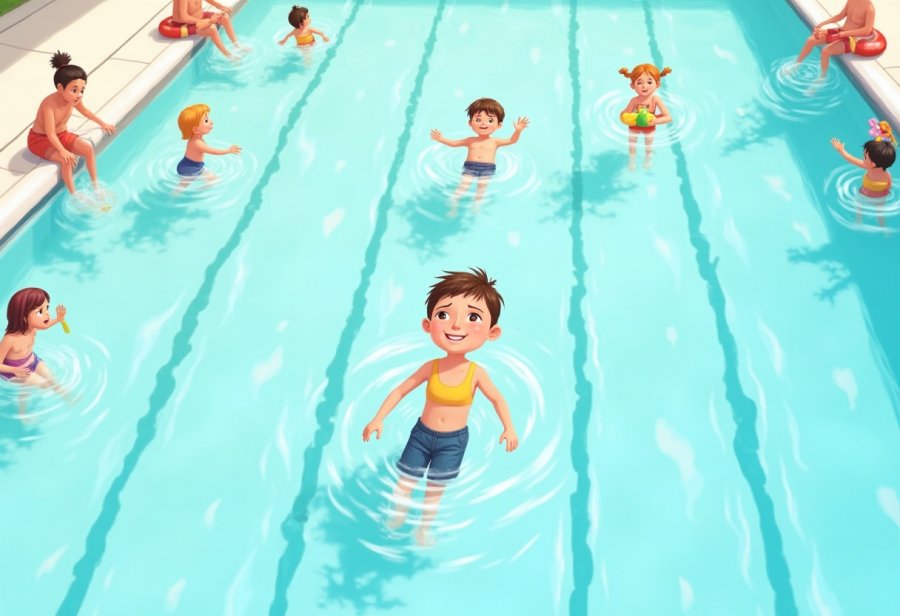
Learning to swim becomes much more manageable when you focus on practical techniques that gradually build confidence and competence. Starting with simple breathing exercises—like inhaling slowly through your nose or mouth and exhaling steadily—helps you relax and gain control. Practicing breath control early on creates a solid foundation for more advanced skills and makes you feel more in tune with your body in the water. Once comfortable with breathing, try floating on your back and stomach. These exercises teach your muscles to relax and trust the support of the water, which is essential for progressing safely.
Using support tools such as kickboards or floatation devices can support your early learning efforts. They provide stability, allowing you to focus on specific movements like kicking or arm strokes without feeling overwhelmed. For example, holding a kickboard while practicing flutter kicks helps strengthen your legs and improves propulsion, making your strokes more effective over time. Breaking practice into short, focused sessions makes skill development more approachable and keeps motivation high.
Coordination can be challenging at first, but mastering it comes down to slow, deliberate practice. Isolating movements—such as practicing arm strokes separately from kicking—allows you to hone each skill without confusion. Once each part feels natural, you can start combining them, working on smooth, rhythmic breathing and synchronized movements. Regular, consistent practice is more effective than long, sporadic sessions; it helps your muscles memorize the motions and makes swimming feel more natural.
Practicing controlled exhalation underwater is another key technique. Blowing bubbles helps you get comfortable with exhaling while submerged, which reduces panic and conserves energy. Developing this habit early makes longer swims and deeper water more manageable. Focused breathing exercises like these build your confidence and make water feel less intimidating, turning it into a space of calm and control.
Safety remains a priority at every stage. Always start in shallow water where you can stand comfortably, and never practice alone. Using goggles can improve visibility and boost confidence, while practicing with a buddy or instructor provides reassurance and guidance. Respect your limits and progress gradually; rushing can lead to setbacks. Celebrating small victories—such as floating a little longer or breathing more easily—reinforces your progress and keeps you motivated.
Patience is your best ally. Each small step, whether it’s floating longer or exhaling more easily, adds to your overall confidence. Visualizing success and maintaining a positive attitude make every practice session more effective and enjoyable. Over time, these techniques will help you develop a natural feel for the water, transforming initial fears into a sense of mastery and freedom.
Water Skills that Safeguard, Empower, and Connect You
Learning to swim significantly boosts safety in everyday water situations. When you’re comfortable in the water, the likelihood of panic or accidents drops sharply. Whether near a pool, at the beach, or on a boat, knowing how to swim helps you respond calmly and effectively if you slip or find yourself unexpectedly submerged. For parents, teaching children to swim is one of the most effective ways to prevent drowning, which remains a leading cause of accidental death among young kids. Simple skills like floating or treading water can be lifesaving in emergencies, turning potential disasters into manageable moments.
Beyond safety, developing water skills fosters independence and confidence that ripple into many areas of life. When you can swim with ease, you’re more likely to join water-related activities without fear—beach outings, pool parties, or water sports. This newfound confidence reduces anxiety and transforms water from a source of worry into a place of relaxation and fun. With each success, whether it’s floating longer or swimming your first laps, you feel more empowered to explore and enjoy aquatic environments.
Swimming also opens doors to social opportunities that can enrich your life. Participating in swim groups, community classes, or shared water outings helps build bonds rooted in shared experiences. For children and teens, these activities promote teamwork, communication, and a sense of belonging. Water becomes more than just a skill—it becomes a way to connect, make friends, and create lasting memories in a relaxed, supportive setting.
The physical benefits of swimming complement its safety and social advantages. Regular practice improves cardiovascular health, strengthens muscles, and enhances flexibility. For older adults or those with mobility challenges, swimming offers a low-impact workout that’s gentle on joints but highly effective. As confidence in the water grows, so does the motivation to stay active, making swimming a lifelong source of health and happiness.
Water confidence also brings a sense of empowerment. Knowing you can handle yourself in aquatic environments reduces dependence on others and encourages outdoor exploration. Whether it’s a family vacation, a day at the lake, or trying out new water sports, this independence makes water activities more enjoyable and less stressful. It’s a liberating feeling that inspires ongoing participation and resilience beyond the pool.
On a community level, more water-savvy individuals contribute to safer environments for everyone. Increased awareness and skills mean fewer accidents and more effective emergency responses. Promoting water safety education and encouraging new swimmers help foster a culture of responsibility and joy around water. Learning to swim isn’t just a personal achievement—it’s a step toward safer, more connected communities where water is enjoyed responsibly.
In the end, mastering water skills transforms fear into freedom. It opens up a world of possibilities for recreation, safety, and social connection that lasts a lifetime. As more people learn to swim, the collective benefit is clear: a future where water is a space for fun and safety, accessible to all, at any age.
Future Trends in Swimming Education: Innovation and Inclusion
Looking ahead, the future of swimming education is set to become more innovative and inclusive than ever before. Advances in technology are transforming the way we learn water skills, with virtual reality (VR) and augmented reality (AR) providing immersive, risk-free environments for practice. These tools help beginners, especially those with fears or uncertainties, build confidence before stepping into the pool, making the process less intimidating and more engaging. As these technologies become more accessible, they offer a new way to visualize techniques, rehearse scenarios, and reinforce learning in a way that feels natural and motivating.
Wearable tech is also making a significant impact by providing real-time feedback on technique, breathing, and body positioning. Swimmers can now track their progress and adjust their movements with greater precision, personalizing their learning experience. This combination of high-tech tools and expert guidance accelerates skill development and keeps motivation high, turning water confidence into a tangible goal that feels within reach for everyone. Such innovations make the journey from apprehension to mastery more efficient and enjoyable, regardless of age or experience.
Efforts to expand access to swimming are gaining momentum through initiatives aimed at reaching diverse populations. Programs designed for people with disabilities, older adults, or those from underserved communities help remove barriers that once limited participation. By making water skills more accessible, these initiatives foster a culture of safety and confidence that benefits individuals and society alike. Creating inclusive environments ensures that everyone can experience the freedom, joy, and independence that come with being comfortable in water.
Instructional methods are also evolving, with digital coaching platforms offering tailored lessons that adapt to individual learning paces. These interactive tools combine expert advice with engaging features, making continuous progress easier and more motivating. As online resources and virtual lessons become more widespread, learning to swim becomes a flexible, lifelong pursuit that fits into busy schedules and diverse needs. This ongoing innovation supports a broader range of learners, helping more people turn water anxiety into water mastery.
Looking further ahead, smart pools equipped with sensors and adaptive water conditions could revolutionize training environments. These pools might automatically optimize water temperature, clarity, and flow to enhance learning, while simulated scenarios prepare swimmers for various real-world challenges. Such advancements promise to make acquiring water skills smoother and more realistic, encouraging learners to explore new waters and activities confidently. As technology continues to evolve, the path to water mastery becomes more accessible, engaging, and rewarding, inspiring a future where water confidence is truly universal.
About the Author