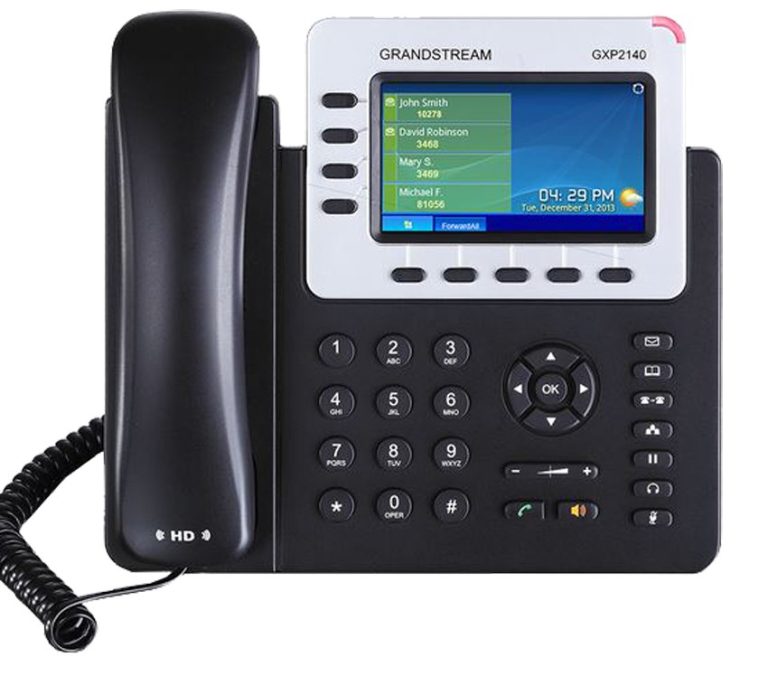
Unlocking seamless communication has never been more critical in today’s fast-paced business environment. How can customizable telephony solutions transform your network’s efficiency and deployment? Grandstream offers innovative devices, like the scalable GRP series IP phones, designed to simplify large-scale deployment with cloud provisioning and centralized management through GDMS. These tools empower organizations to create tailored call flows, support remote work, and manage communication across multiple locations effortlessly. As technology evolves from traditional landlines to cloud-based VoIP, the ability to adapt quickly becomes a strategic advantage. Grandstream’s high-definition phones with secure, user-friendly features ensure clear, reliable conversations—vital in maintaining customer satisfaction and internal collaboration. By integrating these devices with robust management platforms, businesses can reduce costs, improve security, and accelerate deployment, all while offering a personalized communication experience that grows with their needs. Isn’t this the future of smarter, more agile business communication?
Transforming Business Communication with Customizable Telephony Solutions
In today’s fast-moving business landscape, clear and reliable communication isn’t just a convenience—it’s essential. Companies of all sizes need systems that can keep pace with growth, support remote work, and adapt swiftly to changing demands. This is where customizable telephony solutions come into play. Unlike traditional phones or rigid PBX setups, these modern systems offer the flexibility to tailor communication networks precisely to an organization’s unique needs. Whether it’s streamlining call routing, enabling remote access, or integrating with existing business tools, personalized communication systems help businesses stay agile and responsive.
The shift toward these adaptable solutions reflects a broader industry trend: organizations want more control over their communication infrastructure. Instead of relying on one-size-fits-all systems that quickly become outdated or cumbersome, companies now seek scalable, secure options that evolve with their operations. Customizable telephony solutions allow them to configure features like department-specific call flows, multi-location connectivity, and user-specific settings—all managed through centralized platforms that simplify oversight and updates.
This isn’t just about convenience; it’s a strategic move. Personalized systems enable organizations to optimize their interactions, making communication smoother for both employees and clients. For example, businesses can set up dedicated lines for customer support, sales, or internal teams, reducing wait times and preventing misrouted calls. The result is better service for customers and less time spent troubleshooting or managing technical issues by staff. In essence, these systems turn communication into a strategic asset that directly supports business goals.
Technological advancements have made these solutions more accessible than ever. Cloud-based management platforms, like Grandstream’s Device Management System (GDMS), allow IT teams to configure, deploy, and monitor hundreds or even thousands of devices remotely. This means a business can roll out new phones across multiple sites in a fraction of the time it used to take, with minimal disruption. Centralized management also simplifies troubleshooting and maintenance, helping ensure the network remains reliable and scalable as the organization grows.
Another key benefit of customizable telephony is its support for remote and hybrid work environments. Employees can connect from anywhere, using devices configured specifically for their roles and locations. This flexibility ensures seamless communication, whether team members are in the office, working from home, or on the move. In today’s workplace, where remote work is often a necessity rather than a perk, personalized systems empower organizations to maintain high-quality interactions without interruption.
Choosing the right devices is crucial in building effective personalized communication networks. Modern IP phones and endpoints are designed to integrate effortlessly with these platforms, offering features like high-definition audio, programmable keys, and advanced security protocols. These devices support intelligent call routing and management capabilities, making the entire communication system more efficient and secure. With the right hardware, companies can create a scalable, future-proof network capable of adapting to new challenges and opportunities.
Technologies like cloud management and device virtualization are transforming how businesses deploy and expand their communication infrastructure. With tools that enable remote configuration and centralized oversight, organizations can quickly adapt to changing needs without costly hardware overhauls. This flexibility not only accelerates deployment but also reduces ongoing support costs, allowing companies to focus on their core operations while maintaining reliable, personalized communication channels.
Ultimately, flexible, customizable telephony solutions are reshaping how organizations connect internally and externally. They turn communication from a fixed, hardware-dependent process into a dynamic, scalable asset that can grow and evolve alongside the business. With the right combination of devices, cloud management, and strategic planning, companies can unlock greater efficiency, deliver superior service, and build a robust foundation for future success. This isn’t just a technological upgrade—it’s a strategic shift towards smarter, more responsive communication.

From Landlines to Cloud: The Evolution of Business Communication Technologies
Business communication has come a long way from the days of simple landline phones to the sophisticated, integrated systems we rely on today. In the early days, organizations depended on analog phones wired directly into their infrastructure, which offered basic voice communication but quickly showed limitations as companies expanded. These systems struggled to handle multiple lines efficiently, lacked advanced call routing, and couldn’t seamlessly integrate with other business tools, making remote management and scalability difficult.
The evolution continued with digital telephony, improving audio quality and connection stability. Still, these solutions often required dedicated hardware and infrastructure, which made scaling up or managing remote sites a challenge—especially for growing businesses or those with multiple locations. The real leap forward arrived with Voice over Internet Protocol (VoIP), which digitized voice signals to travel over the internet. This shift drastically cut communication costs and unlocked features like call forwarding, conferencing, and integration with customer management platforms, all aimed at boosting productivity and customer experience.
Today, cloud-based telephony platforms have transformed the landscape further, enabling centralized control and remote management. These systems allow IT teams to configure, monitor, and troubleshoot hundreds or thousands of devices from a single dashboard, regardless of their physical locations. This not only accelerates deployment but also reduces the need for on-site support, making it easier for organizations to scale and adapt quickly. As businesses expand or adopt hybrid work models, they can reconfigure their communication networks on the fly, without major disruptions or costly hardware upgrades.
However, deploying these modern systems involves more than selecting the right hardware. Networks must be carefully designed to handle voice and data traffic simultaneously, often sharing the same infrastructure. Without proper prioritization, issues like dropped calls or delays can occur, undermining communication quality. Implementing Quality of Service (QoS) settings, ensuring sufficient bandwidth, and securing the network are crucial steps in maintaining clear, reliable voice channels—especially as reliance on VoIP and cloud solutions grows.
Choosing the right deployment approach depends on the organization’s size and infrastructure. Small offices might opt for plug-and-play IP phones that are easy to configure via cloud management tools, while larger, multi-site companies often prefer centralized deployment models to ensure consistency and ease of management across locations. Hybrid setups, combining elements of both, provide additional flexibility to meet specific needs. Following best practices like regular firmware updates, standardized configurations, and strong security protocols helps keep these systems reliable and protected against cyber threats.
This progression from analog to cloud-managed telephony reflects a broader industry shift toward flexible, scalable communication solutions. It’s about transforming a traditionally hardware-dependent process into a dynamic, future-proof infrastructure capable of supporting ongoing growth and innovation. As organizations adopt these advanced systems, they gain not just better technology but a strategic asset—one that enhances internal collaboration, improves customer interactions, and drives competitive advantage.
Grandstream’s Cutting-Edge Telephony Devices: Enhancing Communication and Simplifying Deployment
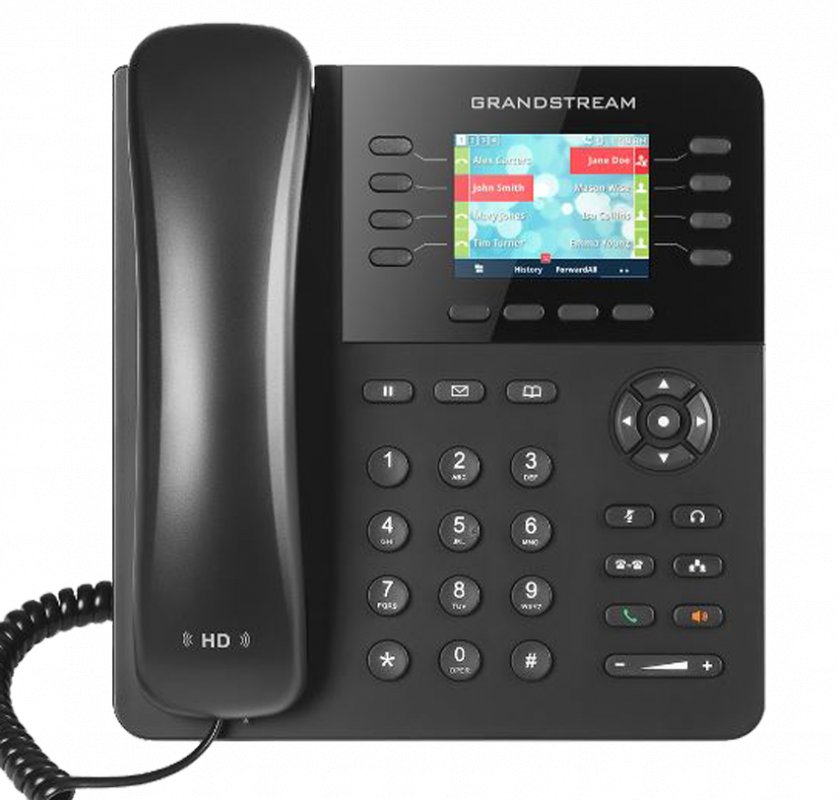
Grandstream’s telephony devices stand out as powerful tools that significantly enhance communication efficiency and simplify deployment processes, especially when scaling across multiple locations. Their IP phones, particularly the GRP series, are engineered with mass deployment in mind, allowing organizations to roll out hundreds or even thousands of phones with minimal hassle. This is made possible through features like cloud provisioning, which streamlines initial setup and ongoing management, reducing the need for extensive on-site support.
One of the key strengths of these devices is their user-friendly interface. Designed to be intuitive, they enable staff with limited technical experience to configure settings, perform updates, and troubleshoot common issues easily. This ease of use accelerates deployment timelines and cuts down on training requirements, making them ideal for rapidly growing businesses or those managing large distributed teams. Their scalability is equally impressive—they adapt seamlessly from small offices to extensive multi-site networks without sacrificing performance or reliability.
Technologically, Grandstream’s phones are packed with features that boost communication quality and security. High-definition audio ensures crystal-clear conversations, even in noisy environments, which improves overall call experience. Programmable keys allow users to customize their phones for quick access to frequently contacted numbers or specific functions, saving time and reducing frustration. Security features, such as call encryption and secure boot processes, protect sensitive information and help organizations meet compliance standards, keeping their communication platforms safe from cyber threats.
Compatibility is another major advantage. These devices integrate effortlessly with various VoIP platforms and unified communications solutions, providing flexibility and avoiding vendor lock-in. Whether a business relies on traditional VoIP services or cloud-based UCaaS platforms, Grandstream’s IP phones fit right in, offering consistent performance and feature support. This adaptability prepares organizations for future growth and technological changes, ensuring their communication infrastructure remains relevant and resilient.
Deploying Grandstream’s devices is straightforward thanks to their support for network optimization features like Quality of Service (QoS) and Power over Ethernet (PoE). QoS prioritizes voice traffic, maintaining high call quality even during peak network usage. PoE simplifies installation by powering devices through the same Ethernet cables used for data, reducing clutter and minimizing the need for additional power supplies. When combined with centralized management tools such as GDMS, these features enable remote configuration, monitoring, and troubleshooting of large fleets of phones, saving time and reducing operational costs.
The integration with Grandstream’s Device Management System (GDMS) is a game-changer for organizations seeking streamlined device management. IT teams can configure, update, and oversee thousands of phones remotely from a single dashboard, eliminating the need for manual on-site adjustments. This centralized control not only speeds up deployment but also ensures uniformity across all devices, which is crucial for maintaining a consistent user experience and simplifying troubleshooting efforts.
Moreover, these devices support future-proofing by incorporating security updates and firmware upgrades pushed directly through the management platform. This proactive approach keeps devices protected against emerging threats and ensures they operate with the latest features and improvements. It also allows organizations to adapt quickly to new communication needs or technological standards without replacing hardware prematurely.
Choosing Grandstream’s innovative telephony devices means investing in a scalable, secure, and easy-to-manage communication infrastructure. Their combination of high performance, user-friendly design, and centralized control makes them ideal for organizations looking to upgrade or expand their networks efficiently. Whether supporting remote workers, multi-site offices, or large enterprise deployments, these phones deliver reliable, high-quality communication that can grow with your business. By integrating these devices into a broader customizable telephony strategy, organizations unlock new levels of productivity, responsiveness, and operational agility.
About the Author